


Views: 0 Author: Site Editor Publish Time: 2026-04-13 Origin: Site


The accuracy class of a smart meter refers to the level of precision with which it measures electrical consumption, ensuring that energy usage is recorded correctly. This concept is critical for both utilities and consumers, as it directly impacts billing accuracy and overall energy management. A smart meter’s accuracy class determines how close its readings are to the true consumption, influencing the reliability of data used for billing and load management. For utilities, selecting the correct accuracy class is essential to prevent discrepancies, reduce disputes, and ensure fair pricing. In this article, we will explore what accuracy class means for smart meters, how it affects energy measurement, and why it plays such a crucial role in the efficient operation of modern energy systems.
Understanding Accuracy Class
The accuracy class of a smart meter refers to the level of precision with which it measures electrical consumption. This rating ensures that a smart meter delivers accurate readings, directly impacting billing and system efficiency. The more precise a meter is, the more accurately consumers are billed for their energy usage, reducing the likelihood of errors and disputes.
Impact on Billing and Energy Management
A higher accuracy class means that the meter will provide a more precise reading, helping utilities maintain fair billing practices. It also ensures that the data used for energy management, such as load forecasting and grid stability, is reliable. Accurate measurement enhances system efficiency by minimizing errors and improving the performance of the energy network.
Class 1 Meters
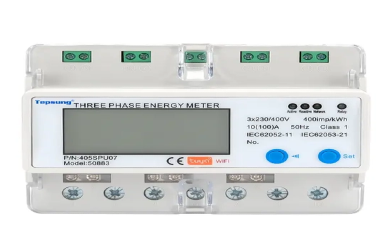
Class 1 meters provide high-precision measurements, with an error margin typically within 1% of actual energy consumption. These meters are suitable for applications where billing accuracy is paramount, such as in residential homes and commercial settings.
Class 2 Meters
Class 2 meters allow a slightly higher error margin (typically within 2%) but still offer reliable readings for general use. These meters are often used in industrial or residential environments where a slight variation in measurement does not significantly affect overall performance.
International Standards
Accuracy class ratings are defined by international standards like IEC 62053, which helps ensure consistency across different types of meters. These standards establish the maximum allowable error margin for each class, ensuring that smart meters provide a reliable measure of electrical consumption.
Choosing the Right Class
Utilities select the appropriate accuracy class based on the specific needs of the installation site. Class 1 meters are typically used in more critical applications where accuracy is essential, while Class 2 meters are often used for less critical or larger-scale installations where some variation in measurement is acceptable.
Reducing Billing Errors
The accuracy class of a smart meter is critical in ensuring that energy consumption is measured with precision, which directly impacts the accuracy of consumer bills. Meters with a higher accuracy class, such as Class 1, offer minimal error margins (within 1%), ensuring that consumers are billed fairly for their exact usage. This minimizes the possibility of overbilling or underbilling, which can lead to consumer dissatisfaction and disputes. By investing in high-accuracy meters, utilities can enhance trust and transparency, fostering positive relationships with their customers.
Reliable Data for System Optimization
Accurate readings from smart meters allow utilities to gather precise data on energy consumption patterns. With more accurate measurements, utilities can better manage the overall load on the grid, ensuring that energy distribution matches real-time demand. This helps prevent power outages, manage peak load periods, and balance the energy supply efficiently. For utilities, this data is invaluable in improving grid stability, reducing operational costs, and enabling smarter, more responsive energy management.
Minimizing Disputes and Enhancing Transparency
When smart meters provide highly accurate readings, consumers are more likely to receive bills that align with their actual usage, reducing the potential for disputes. Clear and consistent billing based on precise measurements boosts consumer confidence in the utility company. Moreover, high-accuracy meters encourage greater consumer engagement with energy conservation, as users can rely on accurate data to adjust their energy habits. Ultimately, this contributes to higher satisfaction levels, improved customer loyalty, and reduced customer complaints.
Construction and Components
The design of a smart meter is a critical factor in determining its accuracy class. High-precision sensors, advanced microprocessors, and robust software play a significant role in ensuring that the meter delivers accurate readings. Meters with better-quality components tend to have higher accuracy classes, meaning they are more reliable and durable over time. Additionally, smart meters with higher build quality can maintain their accuracy even in challenging environmental conditions, ensuring long-term performance and minimizing the need for frequent recalibration.
Impact of Temperature, Humidity, and Voltage Fluctuations
Environmental factors such as temperature fluctuations, humidity levels, and voltage variations can significantly affect the accuracy of smart meters. For example, extreme heat or cold can cause a meter’s internal components to expand or contract, leading to measurement inaccuracies. Similarly, unstable voltage supply can result in reading errors. Utilities need to consider these environmental variables when choosing the appropriate accuracy class, especially in regions prone to such fluctuations, to ensure reliable and consistent readings in all conditions.
Regular Calibration for Accuracy
To ensure that a smart meter retains its designated accuracy class, it must undergo regular calibration. Calibration is the process of adjusting the meter’s measurements to align with a known standard, compensating for any drift in accuracy over time. Without proper calibration, even the most accurate meters can experience slight deviations, which may impact their performance and lead to inaccurate billing. Utilities should implement regular maintenance schedules to recalibrate meters and ensure they continue to meet the required standards, preserving the integrity of energy measurements.
Type of Consumers and Energy Consumption
The accuracy class of a smart meter should be selected based on the type of consumers the utility serves. For residential customers with relatively stable and predictable energy usage, a Class 2 meter may be sufficient. However, for commercial or industrial customers with varying loads and higher energy demands, a Class 1 meter may be more appropriate to ensure precision in billing and load management. Utilities should assess the consumption patterns of their customer base to determine the most appropriate accuracy class.
Compliance with Standards and Regulations
Utilities must also consider local and international standards when choosing the accuracy class. Regulatory bodies may have specific requirements for the accuracy of meters in certain applications, particularly for residential billing or in high-demand industrial settings. By adhering to these standards, utilities can avoid penalties, ensure compliance, and provide consumers with reliable, transparent billing practices. For example, many jurisdictions require Class 1 meters for certain critical applications where billing precision is paramount.
Balancing Cost with Accuracy Needs
While higher accuracy classes (such as Class 1) offer more precise measurements, they often come at a higher initial cost compared to lower accuracy classes (such as Class 2). Utilities must weigh the benefits of increased accuracy against the budget constraints and the specific needs of their customer base. For regions with lower-risk billing scenarios or less variation in energy usage, Class 2 meters may provide sufficient performance at a more affordable cost. However, in areas with more complex energy usage or higher stakes in billing accuracy, investing in Class 1 meters may prove more cost-effective in the long run by reducing errors and disputes.
Accounting for External Factors
Environmental factors such as temperature, humidity, and voltage fluctuations can affect a meter’s performance. If the utility serves areas with extreme environmental conditions, it may be necessary to invest in high-accuracy meters that can perform reliably under such conditions. Additionally, the operational infrastructure should be considered—if the utility plans to implement advanced grid management systems or integrate renewable energy sources, more precise meters (Class 1) may be required to manage these complexities efficiently.
Long-Term Considerations for Growth
Utilities should also consider future scalability and the long-term needs of their grid. As smart grids evolve and more advanced energy management systems are integrated, having high-accuracy meters (Class 1) may be beneficial for future-proofing the system. These meters can provide more granular data for advanced analytics, smart grid integration, and demand response programs, ensuring the utility can adapt to future challenges and innovations in the energy sector.
By carefully evaluating these factors—usage patterns, regulatory requirements, cost-effectiveness, environmental conditions, and long-term scalability—utilities can make an informed decision about which accuracy class best meets their operational and financial needs.
Class 1 meters provide higher measurement precision, ensuring more accurate readings and reducing billing errors, while Class 2 meters are slightly less precise.
Environmental factors like temperature, humidity, and voltage fluctuations can impact the accuracy of a smart meter, potentially affecting its class rating.
Yes, a smart meter's accuracy can degrade over time due to wear and tear, exposure to harsh conditions, or calibration issues, which may affect its accuracy class.
A higher accuracy class ensures that consumers are billed based on precise measurements, preventing overcharging or undercharging, and improving satisfaction.
The accuracy class of a smart meter is crucial for both utilities and consumers, as it directly impacts the precision of energy measurements. By selecting the appropriate accuracy class, utilities like Zhejiang Tepsung Electric Meter Co., Ltd. can ensure accurate billing, reduce errors, and improve overall energy management. The right choice of accuracy class not only helps in providing fair and transparent bills but also supports effective load management, grid stability, and consumer satisfaction. For utilities, this leads to reduced disputes, optimized operational efficiency, and better financial stability. Ultimately, the accuracy class plays a pivotal role in maintaining a reliable, efficient, and equitable energy system, benefiting both the utility companies and the consumers they serve.


