


Views: 0 Author: Site Editor Publish Time: 2026-04-08 Origin: Site


Smart meters are an essential part of modern energy management systems, revolutionizing the way energy consumption is monitored and controlled. Unlike traditional meters, which require manual reading and provide limited data, smart meters offer real-time insights into energy usage, enabling both consumers and utilities to optimize their energy consumption. These devices communicate directly with utilities, providing continuous, accurate data that helps identify consumption patterns, manage peak loads, and enhance billing accuracy. As energy efficiency becomes increasingly important across various sectors, smart meters are playing a key role in reducing waste, lowering costs, and supporting sustainable energy practices. Whether in residential, commercial, or industrial settings, the integration of smart meters enables better decision-making, reduced energy consumption, and improved management of both conventional and renewable energy resources.
Instant Feedback on Energy Usage
Smart meters provide immediate access to energy consumption data, allowing consumers to adjust their habits in real-time. This helps in identifying peak usage times and high-energy-consuming appliances.
Empowering Consumers to Make Informed Decisions
By actively monitoring their energy usage, consumers can make more informed choices, such as switching to energy-efficient appliances or modifying their routines to reduce consumption during peak hours.
Proactive Demand Management
Real-time data allows utilities to monitor energy consumption trends across different regions, enabling them to respond to fluctuations in demand before they become problematic.
Improved Grid Stability and Reduced Outages
By tracking consumption in real-time, utilities can better manage the load on the grid, minimizing the risk of power outages and maintaining a stable supply of electricity.
Identifying Energy Wastage
Smart meters help identify areas of energy wastage by detecting unusual patterns in consumption, such as devices left on unnecessarily or overuse during off-peak hours.
Promoting Sustainable Energy Practices
By alerting consumers to inefficient practices and providing insights into their usage, smart meters encourage energy conservation and cost savings, ultimately leading to more sustainable consumption patterns.
Continuous Monitoring of Energy Usage
Smart meters provide real-time data on energy consumption, enabling utilities to monitor load fluctuations continuously. This allows for a more accurate understanding of when and where energy demand peaks, helping to avoid supply disruptions.
Detailed Load Tracking Across Sectors
Whether in residential or commercial settings, smart meters track energy use across different types of users, providing a granular view of load patterns and allowing utilities to adjust resources accordingly.
Preventing Overload and System Failures
With the detailed data smart meters provide, utilities can forecast peak demand periods and take preemptive actions to prevent grid overloads or blackouts. This ensures a reliable and stable energy supply for all users.
Dynamic Supply Adjustment
Smart meters allow utilities to adjust energy supply dynamically based on real-time data, ensuring that the correct amount of power is available in the right locations at the right times, optimizing overall grid efficiency.
Encouraging Peak Load Reduction
By analyzing real-time consumption data, utilities can create demand response programs, offering incentives to users who reduce energy usage during peak periods. Smart meters facilitate these programs by enabling accurate, automated tracking of consumption changes.
Enhancing Consumer Participation
Smart meters enable consumers to actively participate in energy conservation efforts by receiving real-time feedback on their consumption. This promotes a shift toward more sustainable energy use and helps balance the overall energy load.
Accurate Usage Data Collection
Smart meters provide precise, real-time data on energy consumption, eliminating the need for estimated bills. This ensures that consumers are billed only for the energy they actually use, leading to more transparent and fair billing practices.
Instant Data Transmission
The ability to transmit usage data instantly allows utilities to generate bills based on up-to-date information, reducing the risks associated with incorrect readings or delayed data processing.
Minimizing Human Error
Automated billing systems powered by smart meters significantly reduce human errors that are often common in manual meter readings. This leads to more accurate billing and fewer disputes between utilities and consumers regarding usage discrepancies.
Dispute Resolution
With detailed usage records available in real time, consumers and utilities can quickly resolve any billing issues, avoiding the prolonged back-and-forth that typically arises from estimated or incorrect readings.
Lower Administrative Costs
The automation of billing processes based on real-time data collection reduces the need for manual intervention, lowering administrative costs for utilities. Fewer resources are required to process bills, perform meter readings, and address billing errors.
Improved Resource Allocation
By minimizing billing inaccuracies and administrative overhead, utilities can allocate resources more efficiently, focusing on improving service delivery and maintaining infrastructure rather than managing billing issues.
Real-Time Consumption Data
Smart meters provide utilities with detailed, real-time consumption data, allowing them to identify peak demand periods and target specific users who can reduce their energy usage during these times. This enables the effective implementation of demand response programs.
Automated Control and Notifications
Smart meters can be integrated with automated systems that notify users in real-time about peak load events, encouraging them to reduce consumption during high-demand periods. This can be done manually by users or automatically by utilities, depending on the system setup.
Financial Incentives for Users
Utilities can offer financial incentives or rebates to users who participate in demand response programs by reducing their energy use during peak periods. Smart meters ensure that the consumption reductions are accurately tracked and recorded for proper incentive distribution.
Behavioral Adjustments
Through real-time feedback and participation in demand response programs, consumers are encouraged to adjust their behavior, such as shifting high-energy tasks to off-peak hours or using energy-efficient appliances, contributing to a reduction in overall peak demand.
Balancing Grid Supply and Demand
By reducing energy consumption during peak periods, demand response programs help balance supply and demand on the grid, preventing overloads and reducing the need for additional, often expensive, energy generation capacity.
Enhancing Grid Stability
Smart meters play a crucial role in stabilizing the grid by allowing utilities to manage energy loads more efficiently. By reducing peak demand, the grid operates more smoothly, minimizing the risk of blackouts or disruptions during high-demand times.
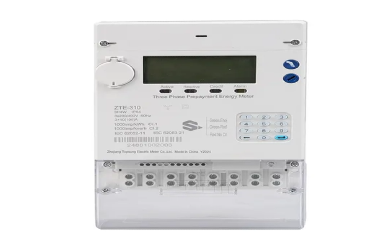
Real-Time Monitoring
Smart meters track energy usage continuously, making it easy to detect unusual patterns, such as sudden spikes or drops, which may indicate theft or tampering.
Advanced Detection Algorithms
Equipped with sophisticated algorithms, smart meters can flag irregularities, such as bypassed meters or unauthorized connections, that traditional systems may miss.
Instant Notifications
Smart meters can send real-time alerts to utilities when potential theft is detected, enabling quick response and investigation.
Remote Diagnostics
Utilities can remotely diagnose meter issues, reducing the need for on-site inspections and speeding up the resolution of theft-related incidents.
Minimizing Financial Losses
Early detection of theft helps prevent financial losses by ensuring accurate billing and preventing fraud.
Enhancing System Security
Detecting tampering and theft protects the integrity of the energy distribution system, ensuring a fair and reliable service for all customers.
Enabling Energy Exchange
Smart meters enable bidirectional energy flow, allowing electricity to be fed back into the grid from renewable sources like solar panels or wind turbines. This flexibility supports the integration of distributed energy resources into the grid.
Supporting Energy Storage Systems
Smart meters help manage energy stored in batteries or other systems by tracking both energy consumption and production. This ensures that excess renewable energy can be stored and used when needed, further optimizing energy use.
Real-Time Data for Better Management
By providing real-time data on renewable energy production and consumption, smart meters allow utilities and consumers to make informed decisions about energy distribution, ensuring that renewable resources are used efficiently.
Enhancing Grid Stability
Smart meters help balance renewable energy supply with demand, improving grid stability. By monitoring renewable energy output, utilities can adjust their operations to accommodate variable energy sources like wind and solar, ensuring a steady power supply.
Encouraging Renewable Energy Adoption
Smart meters provide consumers with detailed insights into their renewable energy production and consumption, encouraging further adoption of sustainable energy solutions like solar and wind power.
Reducing Carbon Footprint
By optimizing the use of renewable energy, smart meters contribute to reducing reliance on fossil fuels, supporting the transition to cleaner, more sustainable energy systems.
Real-Time Data Sharing
Smart meters provide real-time data to utilities, enabling quick detection of issues and more efficient grid management, which improves overall grid stability.
Predictive Maintenance
With smart meters, utilities can anticipate faults and perform maintenance before problems escalate, reducing outages and improving grid reliability.
Dynamic Energy Distribution
Smart meters provide insights into consumption patterns, allowing utilities to adjust energy supply and demand dynamically, ensuring efficient energy flow.
Demand Response Integration
Smart meters enable seamless demand response programs, helping utilities manage peak demand and incentivizing consumers to reduce energy use during high-demand periods.
Facilitating Distributed Energy
Smart meters enable bidirectional energy flow, integrating decentralized renewable sources like solar and wind into the grid, enhancing sustainability.
Optimizing Energy Flow
By providing real-time data on renewable energy production and consumption, smart meters help utilities better coordinate the flow of energy, reducing waste and improving grid efficiency.
A smart meter records energy consumption and sends real-time data to utilities for accurate billing and improved energy management.
Yes, by providing real-time data and enabling better load management, smart meters help reduce energy consumption and optimize billing.
Yes, smart meters have strong security protocols in place to protect data and prevent unauthorized access or tampering.
Smart meters allow for bidirectional energy flow, making it easier to integrate renewable energy sources like solar and wind into the power grid.
Smart meters are a cornerstone of modern energy management, playing a crucial role in enhancing energy efficiency, reducing costs, and supporting the integration of renewable energy sources. At Zhejiang Tepsung Electric Meter Co., Ltd., their smart meter solutions provide real-time data that empowers both consumers and utilities to make informed decisions, optimize energy use, and participate in demand response programs. The integration of smart meters into smart grid technology enables more flexible, dynamic energy management, improving grid stability and reducing the risk of outages. As we move towards a more sustainable energy future, Zhejiang Tepsung Electric Meter Co., Ltd. will continue to drive innovation, foster energy conservation, and facilitate the transition to cleaner, more efficient energy systems, making their smart meters indispensable for both current and future energy landscapes.


