


Views: 0 Author: Site Editor Publish Time: 2026-04-10 Origin: Site


Prepaid and postpaid smart meters are two common types of metering systems used by utilities to track and bill energy consumption. Each has its own advantages and challenges, playing a crucial role in the utility billing process. Prepaid meters require consumers to pay for energy before using it, providing them with greater control over their consumption and budgets. On the other hand, postpaid meters charge consumers after they have used the energy, offering a more traditional approach to billing. This article will compare both types of smart meters, exploring their features, benefits, and drawbacks for utilities, to help determine which system may be better suited for different utility environments.
How Prepaid Smart Meters Work
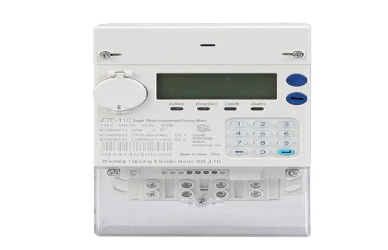
A prepaid smart meter requires consumers to pay for their energy usage upfront, before consumption. The consumer loads a set amount of credit onto the meter, and the meter tracks usage in real time. As energy is consumed, the remaining balance decreases accordingly. Once the credit runs out, the power supply is automatically disconnected until the consumer adds more funds.
Managing Energy Usage and Costs
Prepaid smart meters provide consumers with full control over their energy usage and spending. By monitoring real-time consumption, consumers can make informed decisions, reduce waste, and adjust their behavior to stay within their budget. This system encourages greater energy awareness and conservation.
Ensuring Immediate Payment and Reducing Risk
With prepaid smart meters, utilities receive payment before energy is consumed, significantly reducing the risk of unpaid bills and improving cash flow. This also eliminates the need for complex billing cycles and late payment processing, streamlining operations for utility companies.
How Postpaid Meters Work
A postpaid meter tracks energy consumption and charges consumers based on their usage after the fact, typically at the end of a billing cycle. The meter records the total energy used during the period, and the utility sends a bill to the consumer for payment. Consumers are expected to pay for the energy they have already consumed, with billing cycles usually occurring monthly or quarterly. The payment is due after usage, hence the term "postpaid."
Manual or Remote Billing
Postpaid meters usually require either manual meter readings or remote reading systems to calculate energy usage. In manual systems, a utility worker visits the premises to record the meter reading, while in remote systems, data is transmitted electronically, allowing utilities to generate bills remotely. The process involves billing consumers after they have used the energy, often leading to a delay in payment collection.
Flexibility and Ease of Implementation
Postpaid meters offer utilities flexibility in billing large consumers or businesses that may require a more complex or tailored billing system. However, these systems can also lead to delays in payment, creating cash flow issues and potentially higher administrative costs, as utility companies must handle billing disputes and late payments.
Feature | Prepaid Smart Meter | Postpaid Meter |
Billing Method | Pay before use | Pay after use |
Consumer Control | High - Consumers manage usage and budget | Low - Consumers have less control over usage |
Meter Reading | Automated and real-time | Manual or automated, but after usage |
Risk of Non-payment | Low - Service may be cut off if balance is low | Higher - Risk of non-payment or arrears |
Consumer Behavior | Encourages energy conservation and budgeting | No immediate incentive to save energy |
Utility Cash Flow | Immediate payment, ensuring steady cash flow | Payment delays, which may affect cash flow |
Immediate Payments
Prepaid smart meters ensure that utilities receive payment upfront, before energy is consumed. This immediate payment model helps maintain a steady cash flow for utilities, reducing financial strain and ensuring that they can invest in infrastructure and services without the delays associated with traditional billing cycles.
Eliminating Non-Payment Issues
Since consumers must pay before using energy, utilities face a significantly lower risk of bad debts and arrears. This reduces the administrative burden of chasing unpaid bills and the associated financial risks, making revenue collection more efficient.
Encouraging Responsible Usage
With prepaid meters, consumers are more conscious of their energy consumption, as they can see the remaining balance in real time. This transparency encourages more responsible energy usage, leading to energy conservation and a reduction in overall demand, which benefits both the consumer and the utility.
Simplified Billing Process
Prepaid meters streamline the billing process, eliminating the need for complex billing cycles and the collection of payments after usage. This simplifies utilities' operations, reducing costs related to meter reading, bill preparation, and collections.
Consumer Control Over Budgeting
Prepaid meters give consumers greater control over their energy usage and budgeting. By paying in advance, consumers can better manage their energy consumption, avoiding unexpected high bills and improving satisfaction with the utility service.
Tailored Billing for Commercial and Industrial Use
Postpaid meters offer flexibility that is particularly beneficial for large-scale consumers, such as businesses and industrial users. These consumers often require more complex billing solutions due to varying usage patterns and peak demands. Postpaid meters allow for customized billing that accommodates the needs of these users, providing detailed invoicing and flexible payment schedules.
Traditional Billing Model
Postpaid meters are more familiar to most consumers, making them a widely accepted and established choice for residential areas. Consumers are accustomed to paying for energy after usage, making postpaid systems easier to implement on a large scale without significant changes to existing infrastructure or billing practices.
No Immediate Payment Requirement
With postpaid meters, consumers are not required to pay in advance, which can be seen as more convenient. This system allows consumers to manage their energy usage without the pressure of prepaying, which might be preferable for households with irregular energy consumption patterns.
Easier to Scale for Large Utility Providers
For utilities serving large populations, postpaid meters are often simpler to scale and manage. With existing infrastructure for manual or automated reading, utilities can continue to use postpaid systems for both residential and larger consumer groups, making the transition smoother and less costly.
Stable Long-Term Revenue Streams
While postpaid meters delay payment, they provide utilities with the ability to collect revenue from a large base of customers without the need for upfront capital. This model can be easier for utilities to manage when balancing cash flow with long-term investments in grid development and maintenance.
Prepaid Meters
Prepaid meters ensure immediate payment, providing stable cash flow and reducing the risk of bad debts. Utilities can predict revenue more accurately and lower collection costs.
Postpaid Meters
Postpaid meters may lead to delayed payments and cash flow issues. While providing flexibility, they require more resources for billing and follow-ups, potentially affecting revenue stability.
Prepaid Meters
Prepaid meters encourage consumers to manage their energy use and budget effectively. Real-time feedback helps promote energy conservation and responsible usage.
Postpaid Meters
Postpaid meters offer less immediate incentive for energy savings, as consumers pay after usage. This can lead to higher consumption, particularly in households or businesses without real-time tracking.
Prepaid Meters
Prepaid meters reduce administrative costs by eliminating the need for bill issuance and collections. However, they require real-time monitoring of balances and usage.
Postpaid Meters
Postpaid meters involve more administrative work for billing, follow-ups, and collections, leading to higher costs and resource allocation for utilities.
Prepaid Meters
Prepaid meters are ideal for utilities seeking predictable cash flow, lower risks of non-payment, and reduced administrative work. They work well for smaller consumers or high-risk areas.
Postpaid Meters
Postpaid meters are better for large consumers or residential areas where immediate payment is impractical. While they offer more billing flexibility, they come with higher administrative complexity.
The choice depends on whether a utility prioritizes revenue stability, consumer behavior, or administrative ease.
Prepaid smart meters ensure that payments are made before energy usage, improving cash flow and reducing the risk of unpaid bills or arrears.
No, if the prepaid balance runs out, the service is automatically disconnected until the consumer replenishes the account with a payment.
Postpaid meters may be less cost-effective due to delayed payments and the need for manual billing, whereas prepaid meters provide immediate revenue.
Prepaid meters are more suitable for residential use where consumers prefer control over consumption, while postpaid meters are often used for large commercial accounts.
There is no one-size-fits-all answer when choosing between a prepaid smart meter and a postpaid meter, as each system serves different utility goals. For utilities like Zhejiang Tepsung Electric Meter Co., Ltd. that prioritize stable cash flow, lower bad-debt risk, and stronger consumer control over energy use, prepaid smart meters are often the better choice. For utilities serving large commercial users or regions where traditional billing is still preferred, postpaid meters can offer flexibility and familiarity. Ultimately, the best option depends on the utility’s operating model, customer base, and revenue strategy. By carefully evaluating factors such as payment security, administrative workload, and user behavior, utilities can choose the metering solution that best supports long-term efficiency and service performance.


