


Views: 0 Author: Site Editor Publish Time: 2026-04-03 Origin: Site


In the evolving landscape of energy management, smart energy meters have become indispensable tools. These devices provide real-time, precise data on energy consumption, enabling users to monitor their usage, improve efficiency, and reduce costs. However, to ensure these benefits continue over the long term, smart energy meters require regular maintenance. This article explores why maintenance is critical for maintaining accuracy, extending the lifespan of smart meters, and preventing costly failures.
The primary function of a smart energy meter is to measure energy usage with a high degree of accuracy. Over time, without proper maintenance, the components of the meter—such as sensors and communication modules—can degrade, leading to inaccuracies in the data. For instance, environmental factors like temperature fluctuations, humidity, and dust accumulation can affect sensor performance. As a result, users may receive incorrect readings that can lead to overcharging, undercharging, or faulty energy consumption analysis.
Regular maintenance helps in identifying and correcting any discrepancies in the measurements, thus ensuring that the smart meter continues to deliver reliable data. By periodically inspecting and calibrating the sensors, smart energy meters can retain their accuracy over an extended period.
A well-maintained smart energy meter is less likely to experience unexpected failures, thus prolonging its useful lifespan. The internal components, especially sensors and batteries, can wear out over time. If these issues are not addressed through regular inspections, the meter may suffer from reduced performance, causing premature breakdowns. Proper maintenance ensures that the system continues to operate efficiently, avoiding the high costs associated with frequent replacements.
Additionally, routine maintenance can identify early signs of wear and tear, allowing for proactive repairs or replacements, further enhancing the device’s longevity.
The smart energy meter consists of various components that must be maintained to ensure optimal functioning. Below are some of the key parts of a smart energy meter that require regular attention:
Smart meters rely heavily on sensors for measuring electrical parameters like voltage, current, and power consumption. These sensors need periodic calibration to ensure they remain accurate. Over time, sensors may drift out of calibration due to environmental factors or the natural aging process. This can lead to incorrect readings and, if unchecked, significant inaccuracies in billing and energy management.
The communication module of a smart energy meter transmits data to a central system for monitoring and analysis. These modules must be regularly tested to ensure they remain connected to the grid and transmit accurate data without interruptions. Firmware and software also play a critical role in the functionality of smart meters. Regular software updates not only improve performance but also add security patches and new features that optimize energy management capabilities.
Most smart energy meters operate on battery power or are connected to an external power source. Battery management is crucial for ensuring that the meter remains operational even during power disruptions. Over time, batteries may lose their charge-holding capacity, resulting in reduced meter performance. Proper maintenance includes checking the battery’s health and replacing it before it reaches a critical point of failure.
Regular maintenance is key to ensuring the longevity and accuracy of smart energy meters. Below are the essential practices that should be followed for optimal performance:
Routine inspections of the smart energy meter should be conducted to ensure that the meter is functioning correctly. This includes checking for physical damage, ensuring that the meter is installed securely, and confirming that all components are properly connected.
Inspection Checklist:
Inspection Aspect | Details |
Physical Condition | Inspect for cracks, water damage, or signs of wear and tear. |
Sensor Calibration | Test sensor readings and compare them against known benchmarks. |
Connectivity | Ensure the communication module is connected and transmitting data. |
Battery Health | Check the battery voltage and capacity. |
Cleaning the smart energy meter is an important aspect of maintenance. Dust, dirt, and moisture can impair the meter’s performance, especially if the meter is installed in an outdoor or industrial setting. Regular cleaning of the exterior ensures that dust and debris do not obstruct ventilation, which could cause the meter to overheat. Additionally, protecting the meter from environmental factors like extreme temperatures, water, and electromagnetic interference is critical for preventing damage.
Cleaning Tips:
Use a dry, lint-free cloth to clean the exterior.
Avoid using harsh chemicals that could damage the surface.
Install the meter in a location that shields it from direct sunlight and moisture.
Regular software and firmware updates are essential for the optimal functioning of smart energy meters. Manufacturers often release updates that fix bugs, enhance performance, and improve security. Keeping the software up to date ensures that the meter is functioning with the latest features and capabilities, preventing potential vulnerabilities and optimizing energy monitoring.
Software Maintenance Checklist:
Maintenance Task | Frequency |
Firmware Updates | As released by the manufacturer |
Software Bug Checks | Monthly |
Security Patches | After every release |
Performance Enhancements | Whenever new features are added |
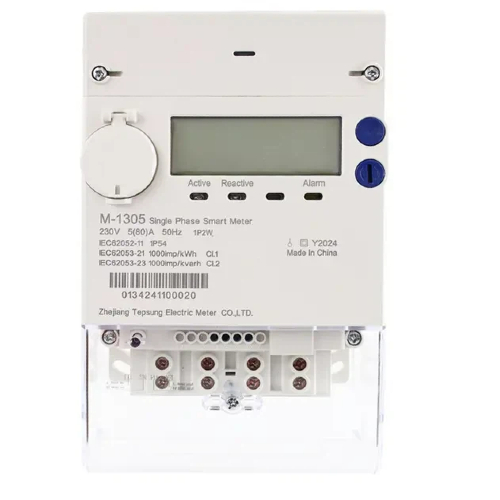
It’s important to monitor the performance of the smart energy meter regularly to detect any potential issues. Below are the steps to identify problems and take corrective action:
Early detection is key to preventing significant issues with smart energy meters. Some common signs that indicate the need for maintenance include:
Inconsistent or missing readings
Communication errors or loss of connectivity
Display malfunctions
Monitoring tools and diagnostic software can help detect problems before they lead to system failure.
When problems are detected, the following corrective actions should be taken:
Minor Repairs: Check for loose connections, replace damaged wires, or recalibrate sensors.
Professional Support: If the problem persists, contact a professional technician for more advanced repairs or replacements.
Regular maintenance of smart energy meters offers several benefits, both in terms of cost and performance:
By ensuring that the meter is calibrated and functioning properly, maintenance helps maintain the accuracy of energy readings. This leads to better energy consumption tracking, which can help businesses and individuals make informed decisions about their energy use.
Routine care prevents premature breakdowns, thereby extending the overall lifespan of the smart energy meter. This is crucial for avoiding costly replacements and ensuring that the device continues to perform optimally.
With improved efficiency and fewer breakdowns, regular maintenance of smart energy meters translates to cost savings. Users can avoid paying for emergency repairs or replacements and optimize their energy consumption, leading to lower energy bills.
While routine maintenance can be performed by users, certain tasks require professional intervention. Below are best practices for ensuring that professional services are used effectively:
When seeking professional service, ensure that technicians are qualified and experienced with smart energy meters. This ensures that repairs and maintenance tasks are performed correctly and efficiently.
Always use parts and tools recommended by the meter’s manufacturer to ensure compatibility and maintain the meter’s warranty. Using unauthorized parts can cause further issues and void any warranty agreements.
Proper maintenance of smart energy meters is crucial to ensure their long-term accuracy, efficiency, and durability. Regular inspections, cleaning, calibration, and timely software updates are essential to keep these meters functioning optimally, preventing costly failures, and extending their operational lifespan. By adhering to recommended maintenance practices and seeking professional services when necessary, users can ensure their smart energy meters continue to deliver accurate energy consumption data for years to come.
At Zhejiang Tepsung Electric Meter Co., Ltd., we are committed to providing high-quality smart energy meters and comprehensive support to help you maintain them efficiently. Our team offers expert guidance on the best practices for maintenance and can assist with any technical concerns or servicing needs. For more information or to explore our range of smart energy meters, feel free to reach out to us today. We're here to help you optimize your energy management system and ensure the longevity of your smart meters.
1. How often should I perform maintenance on my smart energy meter?
Regular maintenance should be performed at least once a year to ensure accuracy and extend the lifespan of the device.
2. Can software updates improve the performance of my smart energy meter?
Yes, software updates fix bugs, add new features, and improve the overall performance and security of the meter.
3. What are the signs that my smart energy meter needs servicing?
Signs include inconsistent readings, communication errors, or malfunctioning displays. Any abnormal behavior should be addressed promptly.
4. What should I do if my smart energy meter is malfunctioning?
First, inspect the meter for simple issues such as loose connections or dust. If problems persist, contact a professional technician for repairs.
5. How can I extend the lifespan of my smart energy meter?
Regular cleaning, calibration, software updates, and protecting the meter from environmental factors can significantly extend its lifespan.


