


Views: 0 Author: Site Editor Publish Time: 2026-06-03 Origin: Site


Utility providers constantly battle revenue leakage and high debt-collection overhead. Recovering unpaid bills drains operational resources and harms profitability. Unpredictable cash flows severely limit a provider's ability to maintain and expand grid infrastructure.
The Standard Transfer Specification (STS) framework offers a globally accepted standard for prepaid metering. Transitioning to STS-compliant hardware completely shifts the operational model. Utilities move away from reactive post-pay debt recovery. Instead, they instantly generate upfront cash flow through an encrypted, decentralized token system that eliminates manual billing errors.
This article provides procurement officers, utility managers, and property developers a clear roadmap. We offer a vendor-neutral evaluation framework for selecting the right metering hardware and vending infrastructure. You will learn how to choose robust anti-tamper devices, navigate hardware configurations, and future-proof your grid against evolving revenue protection challenges.
STS prepaid meters eliminate billing disputes and collection costs by shifting consumers to an upfront payment model using 20-digit encrypted tokens.
Hardware selection must align with installation environments; options range from space-saving DIN rail KWh meters to high-capacity three-phase units.
Split-meter configurations (where the meter and keypad are separated) offer superior tamper protection compared to integrated keypad models.
Future-proofing requires selecting units capable of evolving from standalone token operation to fully integrated smart energy meter ecosystems (AMI).
Validating a manufacturer’s active STS Association certification is the non-negotiable first step in supplier shortlisting.
Non-payment severely damages utility balance sheets across the globe. Traditional post-pay systems rely on trust and physical meter reading. This approach introduces massive vulnerabilities. Customers frequently dispute estimated bills. Manual meter reading adds heavy administrative overhead and is prone to human error. Utility staff spend countless hours managing customer complaints instead of optimizing grid infrastructure. When disconnection crews are dispatched to cut off defaulting customers, the operational costs skyrocket. Furthermore, restoring power after payment requires a second dispatch, compounding the inefficiency.
Implementing a modern STS prepaid meter completely changes this dynamic. A successful deployment features very specific success criteria. First, you should target a 99% collection rate, as energy is only consumed after payment. Second, you want to see a drastic reduction in truck rolls and dispatch costs. Third, the system must maintain zero token decryption breaches. Reaching these benchmarks guarantees immediate financial health for the utility. It shifts the burden of credit management away from the provider and places energy consumption squarely in the hands of the consumer.
However, we must maintain trust and transparency regarding technological limits. Prepaid meters solve commercial losses effectively. They stop billing errors, eliminate bad debt, and streamline collections. Yet, they do not inherently solve technical losses. Grid degradation, line faults, and transformer inefficiencies remain undetected by standalone prepayment units. Identifying these technical losses requires secondary AMI (Advanced Metering Infrastructure) integration. Decision-makers must understand that revenue protection hardware is just one piece of a comprehensive grid management strategy.
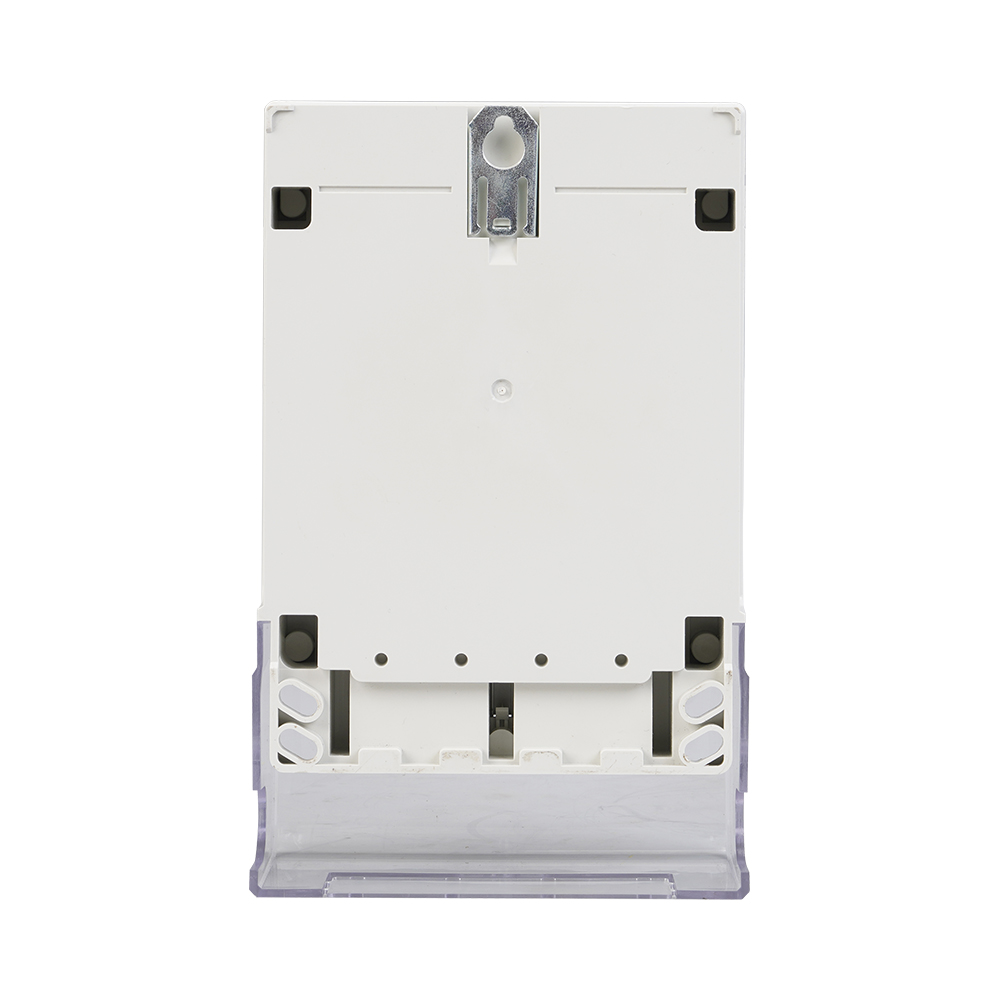
Hardware choices depend heavily on your installation environment and end-user profile. Selecting the wrong form factor leads to installation bottlenecks and increased vulnerability to physical tampering.
Utility managers often deploy a single phase energy meter for standard residential applications. These units also work perfectly for localized sub-metering in retail kiosks or small apartments. When evaluating single-phase models, look closely at their surge protection capabilities. Grid fluctuations can destroy sensitive metrology boards. You also need low base-load consumption to ensure the meter itself does not waste grid energy during idle periods.
Conversely, light commercial, industrial, or high-demand residential environments require a robust three phase energy meter. These units handle heavy electrical loads, often exceeding 100A requirements. A high-quality three-phase solution must include phase-loss detection. If one phase drops, the meter should record the event and alert the system. Unbalanced load handling is also critical. Industrial machinery often draws power unevenly across phases, and the meter must maintain strict accuracy despite these fluctuations.
Spatial constraints dictate your mounting choice. The traditional British Standard (BS) mounting requires significant wall space. In contrast, a DIN rail KWh meter saves crucial space inside utility enclosures. We highly recommend DIN rail models for high-density utility cabinets. They excel when retrofitting multi-tenant buildings, allowing installers to pack multiple meters securely into a single, centralized distribution board.
Assessing the risk of user tampering is vital for revenue protection. Integrated models house the metrology unit, internal relay, and keypad in one single box. If installed inside a customer's home, the entire unit is vulnerable to physical bypassing.
Split configurations utilize a Customer Interface Unit (CIU). This setup separates the keypad from the actual measuring device. Utilities secure the metrology unit in a locked, pole-mounted utility box. The user only keeps the CIU keypad inside their home. They communicate via Power Line Carrier (PLC) or Radio Frequency (RF). This physical separation drastically reduces localized bypass fraud.
Hardware Form Factor Comparison | |||
Form Factor Type | Ideal Application | Key Evaluation Criteria | Tamper Risk Level |
|---|---|---|---|
Single Phase (Integrated) | Standalone residential homes | Surge protection, UI clarity | Moderate to High |
Three Phase (Integrated) | Light industrial, large homes | Phase-loss detection | Moderate |
DIN Rail (Split CIU) | Multi-tenant apartments, high-density cabinets | Space efficiency, communication protocol | Low (Secured in cabinet) |
Pole-Mounted (Split CIU) | Areas with high bypass theft | Weatherproofing, CIU range | Very Low |
When selecting utility hardware, physical specifications only tell half the story. The internal software, security protocols, and user interface determine how successfully the unit will operate over a 15-year lifespan.
The core of any token-based system is its encryption. The mandatory requirement involves strict IEC 62055 compliance. Procurement teams must verify that the manufacturer holds active STS Association certification. This certification guarantees interoperability with third-party vending software. It prevents vendor lock-in. If a manufacturer uses proprietary encryption, you will be forced to buy their vending software forever. STS certification ensures that a 20-digit token generated by an independent mobile money platform will be perfectly accepted by the meter hardware.
Energy theft evolves rapidly. Fraudsters constantly try to bypass meters to receive free electricity. Your chosen hardware needs specific must-have features to combat this. Magnetic interference detection is non-negotiable. Thieves often place powerful neodymium magnets near the meter to slow down the internal current transformers. Terminal cover open detection is also vital; if a user unscrews the cover to bypass the wiring, the system must react. Reverse energy measurement stops the meter from spinning backwards if wires are swapped.
The outcome of these features must be immediate. The meter should automatically disconnect the internal relay upon detecting unauthorized access. It should then flag a tamper event code on the screen, requiring utility intervention to restore power.
Customer support calls cost utilities money. A poor user interface guarantees a flood of unnecessary calls. Keypads require clear audible and visual feedback. Users need to know instantly if their 20-digit token was accepted or rejected. Clear LCD indicators should display low credit warnings well before the power cuts out. Furthermore, distinct load status icons and easy-to-read error codes allow customers to troubleshoot basic issues themselves, minimizing operational strain on your call center.
Understanding how the token generation integrates with your broader network infrastructure determines your long-term technological roadmap. You must decide between a standalone approach or a fully connected ecosystem.
Offline token generation forms the baseline of the STS framework. Users buy credit via Point of Sale (POS) systems, mobile money APIs, or physical utility scratch cards. The central vending server generates an encrypted 20-digit token containing the meter number and credit amount. The user manually types this into the keypad.
The primary implementation risk here revolves around the Supply Group Code (SGC) and vending keys. You must securely manage the generation and distribution of the vending key. If the central cryptographic keys are compromised, attackers can generate infinite free tokens. Establishing a highly secure, offline Key Management Centre (KMC) is a critical best practice.
Evolving grid demands often push utilities toward a smart energy meter architecture. Evaluating plug-and-play communication modules carefully is essential during procurement. Options usually include PLC (Power Line Carrier), RF (Radio Frequency), GPRS, or NB-IoT (Narrowband IoT). These modules transform basic STS token entry into bi-directional communication (AMI/AMR).
Transitioning to an AMI environment unlocks massive operational benefits. Utilities gain the ability to push remote firmware updates without visiting the site. They unlock real-time load profiling to understand peak demand periods. Automated tariff adjustments become seamless, allowing utilities to change pricing structures across millions of endpoints instantly.
Decision Chart: Standalone vs. Smart AMI Transition | ||
Feature / Capability | Standalone STS Model | AMI Integrated Model |
|---|---|---|
Token Entry Method | Manual keypad entry (20-digit) | Remote auto-recharge or keypad backup |
Communication Need | Zero internet required at the meter | Requires active NB-IoT, GPRS, or RF network |
Tariff Updates | Manual entry via management tokens | Over-the-air automated updates |
Tamper Reporting | Visual on-screen code (requires field visit) | Instant push notification to utility dashboard |
The market is flooded with varying qualities of metrology hardware. Partnering with a substandard manufacturer creates immense liability and threatens your revenue recovery strategy. You must follow a rigorous vetting process.
Do not take a supplier's marketing materials at face value. Follow these verification steps strictly:
Request the manufacturer's STS Association certificate number.
Navigate to the official STS Association database and verify the certificate status. Ensure it is active and matches the exact model number you intend to purchase.
Verify local metrology approvals. Look for MID (Measuring Instruments Directive) for European standards or CE compliance.
Request independent lab test reports for surge protection and ingress protection (IP ratings).
Assess if the hardware locks you into a proprietary vending platform. A reputable manufacturer will happily demonstrate their hardware accepting tokens generated by a third-party vending server. Prioritize suppliers supporting open-standard API integrations. This flexibility allows you to connect the vending system seamlessly to local mobile banking networks, adapting to how your consumers actually want to pay.
Evaluating lead times and Minimum Order Quantities (MOQ) protects your project timeline. A massive utility rollout cannot stall because a supplier lacks manufacturing capacity. Scrutinize warranty terms closely. Look for a minimum 3-5 year warranty to protect your capital expenditure. Additionally, the availability of local technical support proves invaluable during commissioning. If a communication module fails or a batch of CIUs loses pairing, you need engineers in your time zone to troubleshoot.
Ignoring the IP (Ingress Protection) rating for pole-mounted split meters, leading to water damage.
Failing to test the CIU communication range in highly congested urban environments.
Purchasing hardware without confirming backward compatibility with existing vending infrastructure.
Overlooking the lifecycle of the internal battery, which is crucial for maintaining real-time clock (RTC) accuracy during power outages.
An STS prepayment deployment fundamentally transforms utility financial health by eliminating debt accumulation and estimated billing. However, we must summarize that the hardware is only as effective as its physical tamper resistance and its strict compliance with global encryption standards. Choosing open, certified hardware prevents vendor lock-in and ensures long-term operational flexibility.
Your next steps require careful planning. Advise decision-makers to audit their current installation environments immediately. Map out space constraints, phase requirements, and local tamper risks. Establish secure API bridges with local payment gateways. Only after documenting these environmental variables should you initiate a localized pilot program or issue a formal Request for Quotation (RFQ).
A: The central vending system can easily retrieve the token. Tokens are generated based on the specific serial number of your meter. They are entirely meter-specific. If someone steals your receipt or you lose the number, no one else can use that token on their meter.
A: Yes. The fundamental STS token generation process is completely offline. The meter hardware requires zero internet connectivity to function. The cryptographic algorithm inside the meter independently decrypts and validates the 20-digit code typed into the keypad.
A: The vending system handles this seamlessly. When a tariff changes, the system generates a pair of specialized management tokens known as Key Revision Numbers (KRN) or Tariff Indexes. The user enters these tokens via the keypad before their next standard credit token, updating the internal pricing logic.
A: Converting a site usually requires replacing the physical metrology hardware entirely. Existing post-pay units lack the internal contactor relays and STS cryptographic chips necessary to disconnect power automatically. However, the existing wiring infrastructure remains completely usable.


