


Views: 0 Author: Site Editor Publish Time: 2025-11-27 Origin: Site


The installation of an electric meter box is a critical task that requires careful planning and execution to ensure safety and compliance with regulations. Whether you're dealing with a Three Phase Electric Prepaid Meter Box or a Smart Meter Electric Box, understanding the intricacies involved is essential. This guide provides a comprehensive overview of the steps involved in installing an electric meter box safely, with a focus on various types of meter boxes and their specific requirements. For more detailed product specifications, you can explore the Electric Meter Box options available.
Electric meter boxes are essential components of a building's electrical system, housing the meter that records electricity consumption. These boxes come in various types, including the traditional analog meters, Digital Electric Meter Box, and smart meters. Each type has its own installation requirements and benefits. For instance, smart meters provide real-time data and can be remotely monitored, offering convenience and efficiency.
The choice of an electric meter box depends on several factors, including the type of property, the electrical load, and local regulations. It's crucial to select a box that not only meets your current needs but also allows for future upgrades. Consulting with an Electric Meter Box manufacturer can provide insights into the best options available for your specific situation.
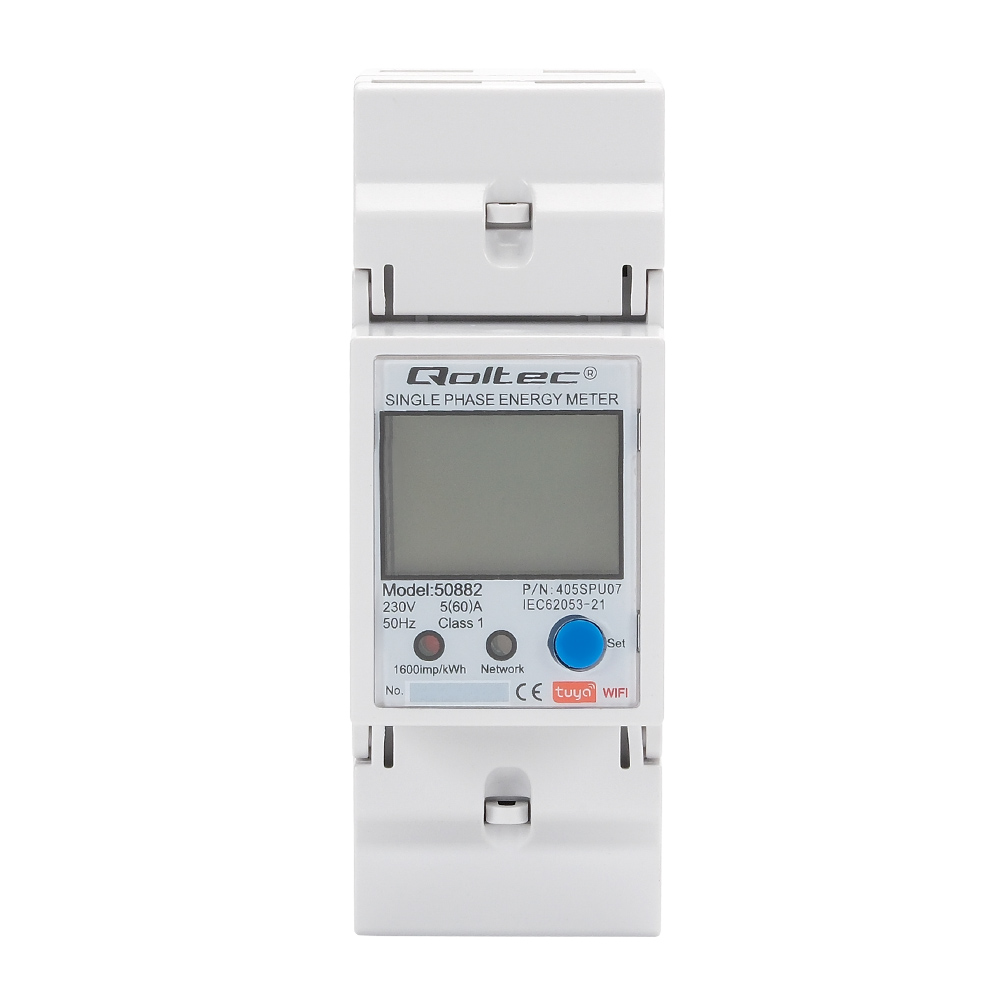
Electric meter boxes are categorized based on their functionality and the type of meter they house. The most common types include:
Analog Meter Boxes: These are traditional boxes housing analog meters, which are gradually being phased out in favor of digital and smart meters.
Digital Electric Meter Boxes: These boxes house digital meters that provide more accurate readings and are easier to read than analog meters.
Smart Meter Electric Boxes: These are equipped with smart meters that offer real-time data and remote monitoring capabilities.
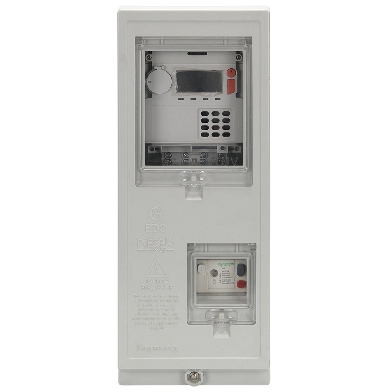
Prepaid Meter Boxes: These allow users to pay for electricity in advance, helping manage consumption and costs effectively.
Safety is paramount when installing an electric meter box. The process involves working with high-voltage electricity, which poses significant risks if not handled correctly. Here are some key safety considerations:
Compliance with Regulations: Ensure that the installation complies with local electrical codes and standards. This may require permits and inspections by qualified professionals.
Qualified Personnel: Always hire a licensed electrician to perform the installation. They have the expertise and tools necessary to complete the job safely.
Proper Tools and Equipment: Use the right tools and equipment for the installation to prevent accidents and ensure a secure fit.
Location: The meter box should be installed in a location that is easily accessible for maintenance and meter reading, yet secure from tampering or environmental damage.
The installation process for an electric meter box involves several steps, each requiring careful attention to detail. Below is a general guide to the process:
Before installation, it's crucial to plan the layout and ensure all necessary materials and tools are available. This includes selecting the appropriate meter box type and size, determining the installation location, and obtaining any required permits.
Safety first: ensure that the power supply is disconnected before beginning any work. This step is critical to prevent electrical shock or injury.
Securely mount the meter box to the wall or designated structure using appropriate fasteners. Ensure that the box is level and positioned at a height that allows for easy access and maintenance.
Carefully connect the incoming and outgoing wires to the appropriate terminals in the meter box. Double-check all connections to ensure they are secure and correctly positioned.
Once the installation is complete, conduct a thorough inspection and testing to ensure everything is functioning correctly. This may involve checking the meter readings and ensuring there are no loose connections or exposed wires.
Installing an electric meter box is a complex task that requires careful planning, adherence to safety protocols, and compliance with regulations. Whether you're installing a Three Phase Electric Prepaid Meter Box or a Smart Meter Electric Box, following the proper procedures ensures a safe and efficient installation. For more detailed guidance and product options, consider consulting with an Electric Meter Box manufacturer.
1. What are the benefits of using a Smart Meter Electric Box?
Smart Meter Electric Boxes offer real-time data monitoring, remote access, and improved accuracy in electricity consumption readings, which can lead to better energy management and cost savings.
2. Can I install an electric meter box myself?
It is highly recommended to hire a licensed electrician for the installation of an electric meter box to ensure safety and compliance with local regulations.
3. What factors should I consider when choosing an electric meter box?
Consider the type of property, electrical load, future upgrade potential, and compliance with local regulations when choosing an electric meter box.
4. How often should an electric meter box be inspected?
Regular inspections should be conducted annually or as recommended by local regulations to ensure the meter box is functioning correctly and safely.
5. What is the difference between a prepaid and a postpaid electric meter box?
A prepaid electric meter box requires users to pay for electricity in advance, while a postpaid meter box bills users based on their consumption after the fact.
6. Why is location important for electric meter box installation?
The location affects accessibility for maintenance and meter reading, as well as protection from environmental damage and tampering.
7. What should I do if my electric meter box is damaged?
If your electric meter box is damaged, contact a licensed electrician immediately to assess the situation and perform necessary repairs or replacements.


