


Views: 0 Author: Site Editor Publish Time: 2025-10-31 Origin: Site


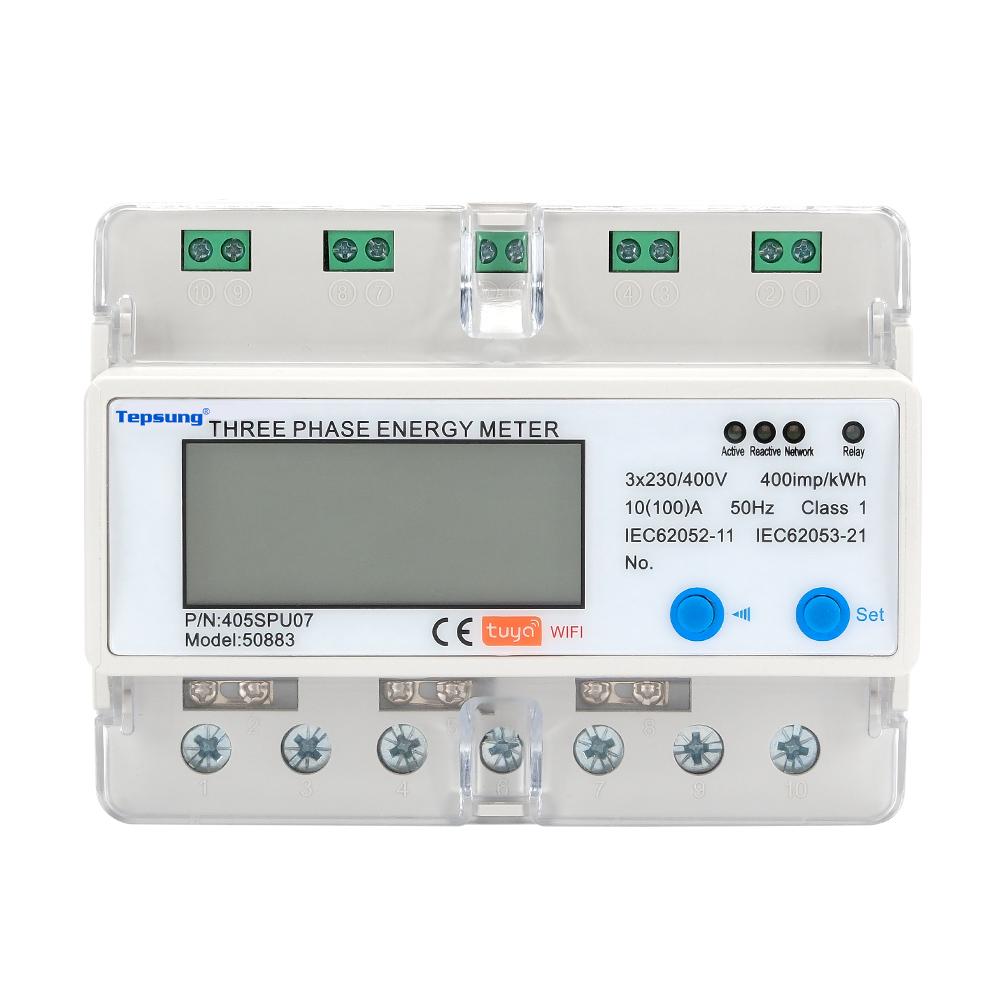
Choosing the right electricity meter in 2025 means you need to match your energy needs with the right features. You should check for compatibility and installation options. Accurate monitoring helps you control costs. It also helps you avoid wasting energy. Studies show tracking your electricity use helps you spot wasteful habits. You can lower your bills this way. Smart energy management lets you predict use. You can make changes quickly. Market data shows smart meters are now the most popular. The market size is $12 billion. The growth rate is 6.5%.
Type of Meter | Market Size (2025) | Projected Growth Rate (CAGR) |
|---|---|---|
Smart Electricity Meters | $12 billion | 6.5% |
Residential RF Smart Electric Meter | $5.1 billion | 10.1% |
RF Smart Electric Meter (Residential) | 38% market share | N/A |
When you look for an energy meter, think about how it fits your needs now and later. Smart integration is important. Leading brands like Tepsung offer certified electric meters. These meters are reliable for homes and businesses. They make monitoring energy easy and effective.
Pick an electricity meter that matches your energy needs now and later. Think about features like smart integration and if it works with your utility provider.
Smart meters let you see your energy use right away. This helps you save about 3.4% on bills by spotting wasteful habits.
Make sure your meter follows local rules. This helps you get correct bills and track your energy use well.
Think about how much money you want to spend on a meter. Analog meters cost less, but smart meters help you save more over time by managing energy better.
Get ready for future upgrades. Choose a meter that can work with new technology and smart home systems.
Picking the right electricity meter helps you save money. It also helps you use energy better. When you use an energy monitoring meter, you get exact data. This data shows how much energy you use. You can find wasteful habits and change them. This leads to lower costs. Smart electric meters show your energy use right away. You can see when you use the most electricity. You can move some activities to times when energy is cheaper. This helps you spend less and use energy smarter.
Tip: Smart meters can help you save about 3.4% on your bills by showing your energy use in real time.
Here are ways the right electric meter helps you save energy and money:
You can control your energy bills.
You can use energy better and waste less.
Businesses can spend less and help the environment.
Factor | Description |
|---|---|
Accuracy Class | Makes sure the meter fits your needs, with Class A (±2%) for saving money and Class B (±1%) for more exact results. |
Communication Protocol | Shows how the meter talks to other devices for collecting data and checking energy use, which is important for correct billing and managing energy. |
You must check that your electric meter follows the newest rules. This makes sure your bills are correct and your energy use is tracked well. In 2025, countries have new rules for electricity meters. Mexico uses the NOM-001-CRE standard. This rule says meters must be easy to replace. Australia and New Zealand need meters certified by the National Measurement Institute.
Standard | Description |
|---|---|
ANSI C12.1-2022 | Code for Electricity Metering |
IEC 62052-11:2020 | General rules for metering equipment |
NOM-001-CRE | New rule for meters in Mexico starting in 2025, needs easy replacement |
NMI M6-1 | Certification needed for meters in Australia and New Zealand |
When you choose an electricity meter, make sure it meets these rules. This keeps your bills right and helps you track your energy use.
New electric meters have smart features that make tracking energy easier. Smart meters measure your energy use and send the data to your energy company. You do not have to read the meter yourself. You can see your energy use right away and change your habits to save energy.
Smart meters measure energy better and help you use energy wisely.
They show when you use the most energy and help you save money.
About 69% of electric meters in the United States are now smart meters.
Smart features help you control your energy use, save money, and get correct bills. These benefits make smart meters a top pick for homes and businesses.
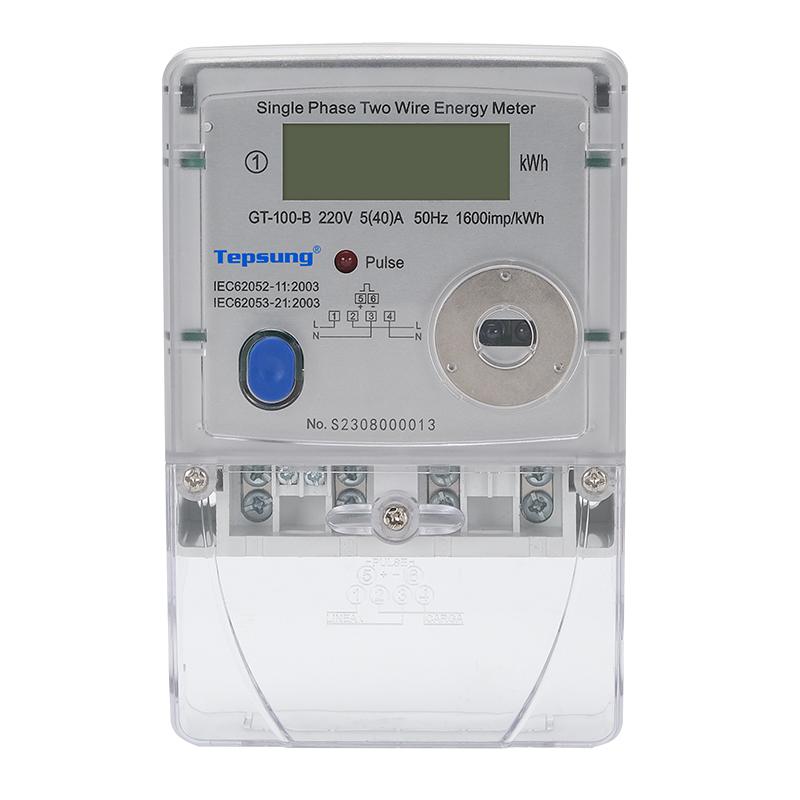
There are different electricity meters you can pick in 2025. Each type has special features for homes and businesses. Some brands, like Tepsung, sell analog and digital meters. They also have advanced meters with certifications like CE, KEMA, and ISO. Their products include single-phase and three-phase models. You can find smart meters and meters with IP54 ratings for extra strength.
An analog meter has a dial that shows how much electricity you use. You read the numbers by looking at the dial. These meters work well in places far away or with tough weather. They do not need batteries or charging. Analog meters are easy to use and cost less. They are good for old systems and some machines.
Advantages of Analog Meters | Disadvantages of Analog Meters |
|---|---|
No extra power supply needed | Reading depends on user skill |
Simple and affordable | Parallax error possible |
Analog meters are good for places with bad weather.
They help workers fix old equipment.
You can use them where there is not much electricity.
Digital meters show your electricity use on a screen. You get exact numbers, so it is easy to track. These meters are simple to read. Many can connect to other devices for better checking. You can use digital meters at home or work for correct bills and easy data.
Digital meters give you exact numbers.
You see the numbers on a screen, so reading is easy.
Many digital meters let you check and control from far away.
Tepsung sells digital meters with IP54 ratings. These keep out dust and water. Their meters come in single-phase and three-phase types for different needs.
Smart meters are very popular in 2025. They use new technology to measure and send your electricity use right away. Smart meters help you manage energy better and fix problems fast.
Benefit | Description |
|---|---|
Faster Outage Detection | Quick identification and restoration during outages |
Greater Control Over Use | Manage consumption and bills with detailed data |
Informed Decision-Making | Optimize usage and reduce costs |
Environmental Benefits | Lower emissions and costs by reducing need for new power plants |
Increased Privacy | Automatic billing reduces on-site checks |
Smart Grid Development | Supports reliable and resilient energy systems |
Smart meters make it easy to watch and change your electricity use.
You get updates right away and can change habits to save money.
The Advanced Metering Infrastructure (AMI) has 65.2% of the market, showing smart meters are common.
Tepsung’s smart meters have many display options and safe data sharing. They are great for new homes and businesses.
A prepaid electricity meter lets you pay before you use energy. The meter checks how much you use and your balance. If your balance is zero, the meter turns off power but warns you first.
You can add money anytime and skip late fees.
No deposit or credit check is needed.
Prepaid meters help you control spending and avoid big bills.
You can buy tokens online or in stores and enter a code.
These meters help you save energy by showing your use.
Smart prepaid meters let you check from far away and add money fast. You can watch your spending and see your use right away.
Tip: If you want to avoid surprise bills and keep your budget safe, a prepaid meter helps you feel calm.
Think about how your electricity meter will work for you. Homes and businesses need different things. At home, you want to see how much energy you use. You look for meters that are easy to read. Businesses need to watch energy in more detail. They may want to check many areas or circuits. Extra features help businesses plan and connect to smart systems.
Factor | Residential Needs | Business Needs |
|---|---|---|
Purpose | Track home energy use | Manage business energy use |
Specific Needs | Watch total energy use | Check many circuits |
Features | Basic features | Advanced features and smart system links |
Budget | Lower cost | Higher cost for more savings later |
If you run a business, you might need a meter with more features. This can help you save money over time by managing energy in many places.
Your budget is important when picking a meter. You want the best deal for your money. Analog meters cost the least but have fewer features. Digital and smart meters cost more but do more things. Smart meters cost more at first but help you save later. You can see your energy use and change habits to lower bills.
Meter Type | Typical Cost |
|---|---|
Analog | Cheapest, but not used as much now |
Digital | Costs more, gives better data and features |
Smart | Most expensive at first, saves money later |
If you want to watch your energy better, a smart meter is a good choice. It helps you track use and save money in the future.
Tip: Smart meters may cost more now, but they help you control your bills and avoid waste.
Check your connection type before buying a meter. The right connection makes setup easy and keeps things safe.
Make sure the socket fits your utility company’s meter.
Check the amperage, like 100 Amps or 200A.
Pick single-phase or three-phase, depending on your needs.
See if you need overhead or underground service.
Use meter socket kits with safety switches.
Choose weatherproof boxes for outdoor use.
Add surge protection to stop voltage spikes.
Metal sockets last longer.
Make sure the kit is UL-Listed or certified.
If you put your meter outside, protect it from rain and dust. This helps your meter last longer and work well.
List what you need before picking a meter. Some features help you measure energy better. Others help you connect to smart systems or get data faster.
Feature | Importance |
|---|---|
Accuracy | Makes sure your energy use is measured right. |
Communication Functions | Things like RS485, MODBUS, or Ethernet help send data. |
CT Ratio Settings | Needed for measuring high currents correctly. |
Response Speed | Helps catch quick changes in your system. |
Certification | Shows the meter is safe and meets rules. |
If you want to link your meter to other devices, look for communication features. If you need to measure big currents, check for CT ratio settings. Always pick a meter with safety and accuracy certifications.
Your utility company has rules for installing meters. You must follow these rules to keep things safe and legal.
Look for certifications like CE, UL, IEC, MID, ISO, TÜV, and RoHS.
Utility companies or electricians should install meters.
Installers must know local codes and rules.
Meter base and pole must be at the right height.
Cables must match the panel and amperage.
Keep at least 6 feet, 6 inches of space to work.
For underground service, meters go 3 to 6 feet above ground.
For overhead service, meters go 4 to 6 feet above ground.
Leave 3 feet in front of the meter for access.
Keep 3 feet between gas and electric equipment.
Only use approved meter-mounting devices.
If you follow these rules, your meter will be safe and meet all standards.
Smart integration helps you manage energy better. Smart meters show your energy use right away. You can see how much you use and make changes fast. If you connect your meter to a home automation system, you can join programs that help you save money when prices are high.
Smart meters let you watch energy use every minute.
You can change habits to lower your bills.
Home automation works with smart meters for more control.
If you want the best meter, pick one that works with smart systems. This helps you save money and use energy wisely.
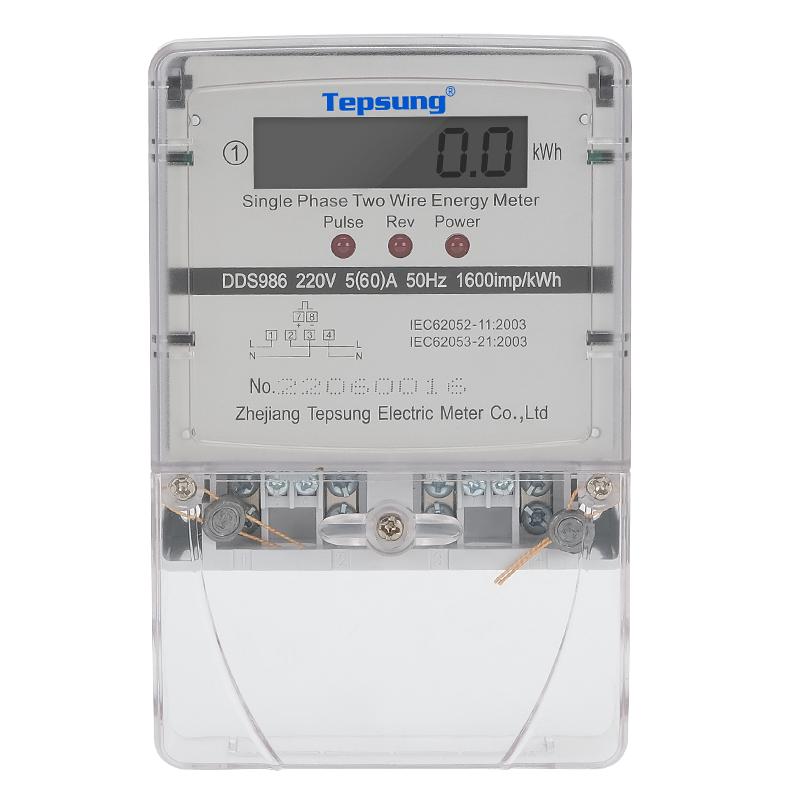
You need your electricity meter to measure energy very well. New meters use better technology for small errors, like ±0.2%. Home meters today work much better than old ones. Good readings help you find energy waste and save money. Reliable meters work in cold and hot weather. Many brands give overload alerts and long warranties. You can trust these meters for many years.
Feature | Description |
|---|---|
Measurement Accuracy | Class 0.2S meters have ±0.2% error. |
Safety Features | Overload alerts keep your system safe. |
Extreme Weather Proof | Works from -40°C to 70°C. |
15-Year Warranty | Long coverage gives you peace of mind. |
Tip: Accurate meters help you save money by showing your real energy use.
Remote monitoring lets you see your energy use right away. You can check it on your phone or computer. IoT meters give exact numbers and help stop billing mistakes. You can spot patterns and find ways to save. These meters find outages or problems fast, so repairs happen quickly. Remote monitoring also shows how much power your solar panels make.
You can check your energy use anytime.
Smart meters let you turn off services from far away.
Utility companies fix outages faster with alerts.
Mobile apps and screens make tracking simple.
Keeping your data safe is important. Smart meters use codes to protect your information. Each customer gets a special random number for their usage. This keeps personal details private. Networks use passwords, firewalls, and watch for safety. Some meters add random noise to your data, so habits are hard to guess. Quantum encryption makes hacking almost impossible now.
Security Measure | Description |
|---|---|
Unique Random Number | Connects usage data without sharing your info. |
Data Encryption | Stops others from seeing your data when sent. |
Multiple Layers of Protection | Uses passwords, firewalls, and checks for safety. |
Scalability means your meter can grow with your needs. Smart meters work well for bigger homes and businesses. You can add more meters or connect new devices easily. Real-time checks help you manage energy as your space changes. Smart meters lower costs for bills and reading meters. They also make bills more correct and give you more control.
Smart meters make it easy to add more devices.
You can use energy better as your needs change.
Better connections let you link new systems.
Homes and businesses get flexible options for growth.
When you pick an electricity meter, you should know how each type works. You can compare traditional meters and smart meters. The table below shows how they are different and what they do:
Feature | Traditional Electric Meters | Smart Electric Meters |
|---|---|---|
Technology | Analog dials, spinning disc | Digital, LCD display |
Data Collection | Manual, once a month | Automatic, every 15 minutes or hourly |
Communication | One-way, utility reads meter | Two-way, sends and receives data |
Billing | Flat rate, based on manual readings | Time-of-Use, based on real-time data |
Information Access | Only monthly bill shows usage | Real-time data on apps or displays |
Outage Detection | Needs customer call or manual check | Sends alerts to utility right away |
Remote Operations | Needs someone to visit | Utility can connect or disconnect remotely |
Grid Management | No real-time data for grid | Helps balance supply and demand |
Smart meters give you more control over your energy use. You get updates fast and can see your usage anytime. Smart meters help your utility fix problems quickly. Traditional meters are simple and do not have extra features.
Tepsung sells both analog and digital meters. Their digital meters have IP54 protection, so they last longer outside. Tepsung smart meters show your energy use in real time. All Tepsung meters have CE, KEMA, and ISO certifications. These marks mean the meters are safe and accurate.
Tip: If you want to watch your energy use and save money, a smart electric meter is usually the best choice for your home.
You might have special needs at home or work. Some people use lots of energy. Others want to check their energy from far away. Some want to use solar panels or other green energy. Here are some good choices for different needs:
If you want to measure all your energy and use solar panels, you can pick a system like the eGauge. It gives you full monitoring and works well with renewables.
If you want to see how much energy each part of your home uses, the Emporia Vue 3 lets you track every circuit. It also works with solar power.
If you want real-time alerts and easy home automation, the Refoss Smart Home Monitor helps you watch your usage and supports solar net metering.
Tepsung’s smart meters are good for these needs too. They offer single-phase and three-phase meters for homes and businesses. Their smart meters let you check your energy from far away. The IP54 rating keeps the meter safe from dust and water. This makes it good for outdoor use or bad weather.
When you choose the best electric meter, check for certifications. CE, KEMA, and ISO marks mean the meter is safe and reliable. You also want a meter that lasts a long time. Tepsung meters have strong cases and new technology. You can trust them for many years.
Note: The best meter for your home depends on how much energy you use, if you want real-time data, and your future plans. Always pick a meter that fits your needs and has the right certifications.
You must make sure your electricity meter fits your utility provider’s rules. Every provider has different rules for what meters they allow. If your meter does not follow these rules, it might not work. You could also have problems with your bill. Always talk to your provider before you buy a meter.
Here is a table that shows what most utility companies want when they check if a meter is right:
Requirement Type | Details |
|---|---|
Compliance Standards | Meters must follow certain standards to work with utility systems. |
Communication Capabilities | Meters should support RS232, RS485, and GSM/GPRS modem for data sharing. |
Billing Features | Meters need to match how your provider bills you, like time-of-use registers. |
Monitoring Events | Meters must track things like battery failure and current reversal. |
Data Storage | Meters should store past values for up to 16 months. |
Safety Class | Meters must meet EN61010, EN61011 Class II safety standards. |
Real Time Clock | Meters should keep accurate time for correct data stamps. |
Tip: Ask your utility company for a list of meters they approve. This helps you pick one that will work.
Smart system integration lets you connect your meter to smart home or business tools. This helps you watch and control your energy use more easily. Think about what you want your meter to do. Decide what you want to measure and how much detail you need. Some meters check the whole building. Others check each device.
Consideration | Description |
|---|---|
Metering Objectives | What do you want to achieve with your meter? |
Use Cases | Which uses are most important for your site? |
Level of Detail | Do you need whole-building or end-use data? |
Measurement Parameters | What should your meter measure? |
Application Type | Is your meter for short-term or long-term use? |
Accuracy Level | How exact do your readings need to be? |
You can use an integration layer to help your smart system work better. This layer helps devices talk to each other and makes setup easier. Make sure all your devices use the same data format. This helps your meter share information with other systems. If your services are loosely connected, your system is more flexible. Event-driven systems let your meter send updates fast. You do not have to check it yourself. This makes your smart home or business work better and helps devices fit together.
Good installation keeps your meter safe and working well. You should follow these steps:
Look at the meter box for cracks, rust, or water.
Make sure all wires are tight so nothing catches fire.
Check seals and locks to stop people from stealing or breaking the meter.
Check how much power you use so the meter does not get too hot.
Make sure the grounding system is safe.
Clean the meter box to keep insulation safe.
Test safety devices often to make sure they work.
Always wear safety gear like gloves and goggles. Turn off the power before you touch the meter. Stay far away from live wires. Use tools with insulation and never work when it is wet. After you finish, test all the wires to make sure they are safe.
If you install your meter the right way and check it often, it will last longer. Your energy system will be safer. This also helps your meter keep working with your utility provider and any smart systems you use.
You want your electricity meter to work with new technology. Many meters today can get upgrades. This helps you keep up with changes. When you pick a meter, look for one that adds new features. It should connect to new systems in the future. This means you do not need to buy a new meter often.
Here is a table that shows how new technology can change your meter:
Technology | Impact on Electricity Meters |
|---|---|
Internet of Things | Collects and shares data right away for better use. |
Artificial Intelligence | Looks at how you use electricity to help you save. |
Big Data | Uses lots of information to help you use energy smarter. |
Low-Power Technologies | Makes batteries last longer and helps green energy. |
You also get better data, easier ways to talk to other devices, and smart water network links. These upgrades give you more control and help you understand your energy use.
Tip: Pick a meter that can update its software and connect to new things. This makes it easy to add smart features when they come out.
You can get ready for new technology by doing a few things. First, make sure your meter system is set up the right way. Good planning helps your meter work with new devices.
Here are steps to help you get ready for new technology:
Build your meter system so it can change in the future.
Make sure you have good management and clear jobs for everyone.
Decide what you want to measure and control.
Choose a meter that matches your goals and can grow.
Figure out what you need to test to make sure it works.
Plan how you will check if your system meets your goals.
Talk to vendors and your utility company to make sure it fits.
Teach your team and try your system in real life.
You should also make sure your meter works with old and new devices. Add safety features from the start. Plan for growth so your system can get bigger if you need it.
Note: If you plan ahead, your meter will work with new technology and keep your energy system working well.
You should pick an electricity meter that fits your needs. Think about what features you want before you buy. Make a list to help you remember. Ask your utility company for advice if you are not sure. Look out for new technology that might help you. If you want a meter you can trust, choose a certified brand like Tepsung. You can ask an expert for help with installing the meter or if you have questions.
Tip: If you plan early, you can save money and energy.
Single-phase meters work best for homes. Three-phase meters suit businesses or places with heavy equipment. You should check your power supply before you choose.
You can look for certifications like CE, KEMA, or ISO. These marks show the meter meets strict standards. You can also ask your utility provider to test your meter.
You should not install a meter on your own. Only a licensed electrician or your utility company should do this. This keeps you safe and follows local rules.
IP54 means the meter resists dust and water. You can use it outside or in tough weather. This rating helps your meter last longer.
Tip: Always check the meter’s rating before you buy. This helps you pick the right one for your needs.


