


Views: 0 Author: Site Editor Publish Time: 2026-04-23 Origin: Site


Smart meters have become a pivotal component of modern energy management systems. These devices allow for the efficient monitoring of energy usage and enable real-time data transmission to utilities, ensuring accurate billing, better grid management, and energy conservation. Wireless communication is at the core of smart meter functionality, enabling remote data transmission without the need for physical connections. In this article, we will explore how smart meters use wireless communication to transmit data, the technologies involved, their benefits, and the challenges associated with their use.
Wireless communication is a vital component of smart meter technology. It enables the remote transmission of energy usage data from the meter to utility providers without the need for manual readings or physical connections. This wireless communication provides utilities with real-time data, helping to optimize grid management, improve billing accuracy, and enhance customer service.
The main role of wireless communication in smart metering is to facilitate the seamless transfer of data from the meter to utility companies. It allows for continuous, real-time monitoring of energy consumption, which is vital for several reasons:
· Real-Time Data Transmission: Wireless communication allows data to be transmitted in real time, eliminating the need for periodic manual readings and enabling up-to-date monitoring of energy consumption.
· Remote Monitoring and Management: Utilities can manage and monitor energy use remotely, making it easier to detect issues, optimize load distribution, and ensure accurate billing.
· Cost-Efficiency: Wireless communication reduces the need for costly infrastructure such as physical wiring, reducing both installation and maintenance costs.
With these capabilities, wireless communication supports the advanced functionality of smart meters, driving energy efficiency and improving service for both utilities and consumers.
Smart meters rely on various communication technologies to transmit data wirelessly. These technologies vary in range, data transfer speed, and energy consumption, and the choice of technology depends on factors such as the geographic location of the utility, the scale of deployment, and cost considerations. The most common communication technologies used in smart meters include:
Radio Frequency (RF) communication is one of the most widely used technologies in smart meters. RF networks use short-range wireless communication to send data from smart meters to nearby concentrators, which collect data from multiple meters before transmitting it to the utility provider.
· Cost-Effective: RF communication is relatively inexpensive to set up and maintain, making it a popular choice for urban and suburban areas where meter density is high.
· Scalable: RF networks can be easily expanded to cover additional meters, making them suitable for large-scale smart meter deployments.
· Reliable: RF technology provides reliable communication over short to medium distances, making it ideal for densely populated areas.
Cellular communication enables smart meters to send data directly to utility providers via mobile networks, such as 4G or 5G. This method is particularly useful in areas where other wireless technologies may not be feasible, such as rural or remote regions.
· Wide Coverage: Cellular networks provide extensive coverage, making them suitable for remote areas where other communication methods might be ineffective.
· Real-Time Data Transfer: Cellular communication allows for fast, real-time transmission of data, reducing the time lag between data collection and analysis.
· Less Infrastructure: Using existing cellular networks reduces the need for additional infrastructure, such as local concentrators or repeaters.
Power Line Communication (PLC) allows smart meters to transmit data through the same power lines used to deliver electricity. This method is ideal for areas where wireless communication may be unreliable or expensive, as it uses the existing infrastructure.
· Utilizes Existing Infrastructure: PLC technology leverages the existing power grid, reducing the need for additional infrastructure.
· Stable Communication: PLC provides stable communication in urban areas, where power lines are already established.
· Reduced Interference: PLC is less susceptible to interference from environmental factors compared to radio-based systems.
Wi-Fi communication is often used in smaller-scale deployments, such as residential homes or small businesses. Smart meters equipped with Wi-Fi transmit data over the internet to utility providers, making it easier to integrate with existing home networks.
· Easy Integration: Wi-Fi networks are widely available, making it easy to integrate smart meters into existing infrastructure.
· Low Power Consumption: Wi-Fi-enabled smart meters typically consume less power compared to other wireless communication methods, making them more energy-efficient.
· Cost-Effective: For small-scale deployments, Wi-Fi offers a cost-effective and straightforward communication solution.
Technology | Transmission Method | Advantages |
Radio Frequency (RF) | Wireless transmission to concentrators | Cost-effective, scalable, and reliable for urban and suburban areas |
Cellular Networks | Data sent over cellular connections | Wide coverage, ideal for rural and remote areas |
Power Line Communication (PLC) | Data transmitted through electrical lines | Uses existing infrastructure, reliable in urban areas |
Wi-Fi | Internet-based transmission | Low power consumption, easy to integrate into homes or businesses with existing Wi-Fi |
Smart meters do not just collect data; they also transmit it to utility companies for processing, analysis, and billing. The transmission process involves several stages, ensuring that data is sent securely and efficiently.
Data Collection: Smart meters continuously monitor energy consumption, collecting data at intervals (e.g., every 15 minutes or hourly).
Data Aggregation: The collected data is aggregated either within the smart meter itself or by a nearby data concentrator. Data concentrators collect information from multiple meters before transmitting it to the utility provider.
Data Transmission: The aggregated data is transmitted using the selected wireless communication method (e.g., RF, cellular, PLC) to the utility’s central system.
Data Analysis: Once the data reaches the utility provider, it is analyzed for various purposes, including billing, load management, and predictive maintenance.
One of the key advantages of smart meters using wireless communication is the ability to provide real-time data. This enables utilities to monitor energy consumption continuously, optimize the distribution of power, and respond to issues promptly. For consumers, real-time data can be used to provide feedback on energy usage, helping them to reduce consumption and save on energy costs.
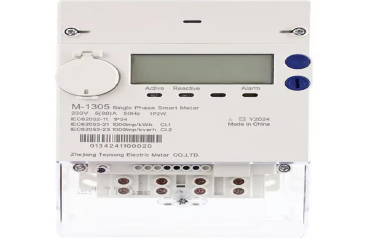
The use of wireless communication for data transmission in smart meters offers several significant benefits, including cost savings, increased efficiency, and enhanced customer satisfaction.
Improved Grid Management
Wireless communication allows utilities to monitor the grid in real time, identifying issues such as outages or fluctuations in energy supply. This enables utilities to respond quickly, minimizing downtime and improving grid stability.
Accurate Billing
With wireless communication, smart meters can transmit real-time data to utilities, ensuring accurate billing based on actual consumption. This eliminates the need for estimated bills and ensures that customers are charged correctly.
Energy Optimization
Real-time data helps utilities optimize energy usage, ensuring that supply and demand are balanced effectively. It also supports demand response programs, where consumers can be incentivized to reduce energy consumption during peak times.
Transparency and Control
Wireless communication allows consumers to access real-time data on their energy usage. This empowers them to make informed decisions about their energy consumption, helping them to save money and reduce waste.
Reduced Bills
By monitoring their usage in real time, consumers can adjust their behavior to avoid excessive energy consumption, potentially reducing their monthly energy bills.
Enhanced Convenience
With wireless communication, consumers no longer need to wait for a utility worker to come and manually read the meter. This provides a more convenient and efficient billing process.
While the use of wireless communication in smart meters offers significant advantages, it also raises concerns about data security and privacy. Given the sensitive nature of the data being transmitted, it is crucial for utilities to implement robust security measures.
To ensure the protection of consumer data, smart meters use encryption to safeguard the information being transmitted. This prevents unauthorized parties from accessing or tampering with the data, ensuring that only authorized entities (e.g., the utility provider) can access it.
Smart meters also use secure communication protocols, such as SSL/TLS encryption, to authenticate and verify the data. These protocols ensure that the data is legitimate and that it has not been altered during transmission. This helps maintain the integrity of the data and prevents malicious attacks.
Utility companies are required to comply with data privacy laws and regulations, such as GDPR or local privacy frameworks. These regulations govern how consumer data should be handled, ensuring that it is used responsibly and ethically. Consumers must also be informed about how their data will be used, and they must consent to data collection and transmission.
Wireless communication enables smart meters to transmit data remotely, providing real-time insights into energy usage, improving billing accuracy, and reducing infrastructure costs.
Smart meters use technologies like RF, cellular networks, Wi-Fi, and PLC for transmitting data, each with specific advantages depending on location and application.
Smart meters use encryption and secure communication protocols to protect consumer data, ensuring privacy and preventing unauthorized access to sensitive information.
Yes, smart meters can use cellular networks, RF, or PLC to transmit data, which does not require traditional internet connections. These methods are ideal for rural or remote areas.
Smart meters with wireless communication capabilities are transforming the energy industry by providing real-time data transmission, enhancing grid management, and offering consumers greater control over their energy consumption. By utilizing technologies like RF, cellular networks, and Wi-Fi, smart meters enable continuous monitoring and optimization of energy use, reducing waste and improving efficiency. However, for smart meters to reach their full potential, utilities like Zhejiang Tepsung Electric Meter Co., Ltd. must address data security and privacy concerns by implementing strong encryption methods and secure communication protocols. As the use of smart meters continues to expand, their role in improving energy systems, reducing costs, and supporting sustainability will only grow.


