


Views: 0 Author: Site Editor Publish Time: 2026-04-20 Origin: Site


Smart meters have become a cornerstone in the evolution of energy management systems. By providing utilities and consumers with real-time energy data, smart meters enable advanced energy data analytics that improve efficiency, reduce costs, and enhance grid performance. This article explores how smart meters facilitate real-time energy data analytics, the benefits of this technology, its applications, and the challenges utilities face in implementing these systems.
Real-time energy data analytics is the process of continuously monitoring and analyzing energy consumption data as it is collected. With the advent of smart meters, energy usage can now be tracked in real-time, allowing both utilities and consumers to access accurate, up-to-date information on energy consumption. The ability to perform real-time analytics provides numerous benefits, from enhancing grid management to empowering consumers to reduce energy costs.
Real-time energy data analytics allows utilities to gain insights into consumption patterns as they occur, rather than relying on historical data. This real-time analysis is essential for managing the complex dynamics of energy distribution, as it enables utilities to optimize energy usage, identify inefficiencies, and forecast demand more accurately. For consumers, real-time data allows for better decision-making, helping them adjust their energy usage to reduce costs and improve sustainability.
With continuous monitoring and real-time adjustments, utilities can optimize grid performance, ensure the efficient distribution of energy, and reduce the chances of grid overload or outages. Additionally, real-time data analytics empowers consumers to identify areas where they can reduce energy consumption, leading to cost savings and more sustainable energy use. This makes energy management not only more efficient but also more adaptable to changing demand patterns.
Smart meters are equipped with advanced sensors that measure energy usage continuously. The data collected by these meters includes consumption rates, voltage levels, and other critical information that can be used to analyze overall system performance. The transmission of this data is essential for real-time energy data analytics, as it ensures that utilities have access to accurate information without delays.
Smart meters operate by measuring the energy consumption of a building or facility in real-time. The meters track usage at specific intervals, often every minute or every few seconds, depending on the configuration. This data is then transmitted through secure communication networks to the utility company’s data collection system, where it is stored, processed, and analyzed.
The data collected by smart meters is sent to utility providers via secure communication networks. These can include cellular networks, radio frequency (RF), Wi-Fi, or power line communication (PLC), depending on the technology used by the utility. The data is transmitted remotely, without the need for manual meter readings or visits to the site. This remote transmission allows for continuous monitoring of energy consumption and facilitates real-time analytics.
Technology | Transmission Method | Advantages |
Radio Frequency (RF) | Wireless transmission to concentrators | Cost-effective, scalable, and reliable for urban and suburban areas |
Cellular Networks | Data sent over cellular connections | Wide coverage, ideal for rural and remote areas |
Wi-Fi | Internet-based transmission | Low power consumption, easy to integrate into homes or businesses with existing Wi-Fi |
Power Line Communication (PLC) | Data transmitted through electrical lines | Uses existing infrastructure, reliable in urban areas |
The real-time data collected and transmitted by smart meters offers a wealth of benefits for both utilities and consumers. This data can be analyzed to identify inefficiencies, optimize grid management, and create opportunities for energy savings.
Improved Grid Management
Real-time data analytics allows utilities to optimize energy flow, ensuring that supply matches demand at all times. This capability helps prevent overloading the grid during peak times and allows utilities to respond quickly to unexpected changes in energy consumption.
Enhanced Predictive Maintenance
By continuously monitoring the performance of meters and energy infrastructure, utilities can identify potential issues before they lead to equipment failure. Predictive maintenance allows for better resource allocation, reducing downtime and improving system reliability.
Energy Conservation and Cost Reduction
Utilities can use real-time data to track energy consumption trends and identify areas where energy is being wasted. This helps promote energy-saving programs, identify inefficiencies, and develop strategies to reduce overall energy consumption.
Accurate Billing
With real-time data, utilities can provide consumers with more accurate bills based on actual consumption rather than estimated usage. This eliminates the potential for overcharging or undercharging, improving consumer satisfaction and trust in the utility company.
Empowered Decision-Making
Consumers who have access to real-time energy data can adjust their usage patterns to optimize energy consumption. For example, they can lower their energy usage during peak periods when rates are higher or make informed decisions about appliance use to reduce waste.
Energy Efficiency and Sustainability
Real-time monitoring helps consumers identify energy-saving opportunities and reduce waste. Whether through adjusting thermostat settings or switching to energy-efficient appliances, consumers can use data to make decisions that support sustainability goals.
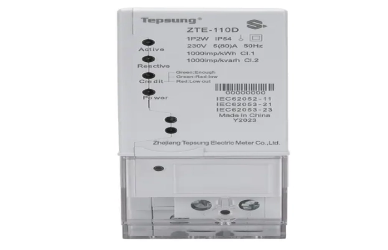
Real-time energy data analytics has a wide range of applications across various sectors. From enhancing grid stability to enabling demand response programs, real-time data provides insights that can be used to optimize energy systems, reduce costs, and improve sustainability.
One of the primary uses of real-time energy data analytics is in optimizing the performance of the electricity grid. By continuously monitoring energy usage, utilities can adjust power generation, manage distribution, and ensure that the grid operates efficiently. Real-time data allows for a more dynamic approach to grid management, improving system reliability and reducing the risk of outages.
Real-time data analytics plays a crucial role in demand response programs, which are designed to reduce peak energy demand. When demand exceeds supply, utilities can use real-time data to identify high-usage consumers and incentivize them to reduce consumption during peak times. This helps prevent grid overloads and ensures that energy is distributed more evenly throughout the day.
For consumers, real-time data analytics allows for personalized energy-saving strategies. Utilities can provide consumers with detailed insights into their energy usage patterns, offering suggestions for improvement. By using this data, consumers can make adjustments to reduce energy consumption, lower their bills, and contribute to sustainability efforts.
Smart meters and real-time data analytics are also essential for integrating renewable energy sources like solar and wind into the grid. These sources are variable, and real-time data helps utilities balance their unpredictable output with energy demand. By continuously monitoring the energy supply and consumption, utilities can ensure that renewable energy is effectively incorporated into the grid.
While real-time energy data analytics offers numerous benefits, there are challenges that utilities must address in order to fully realize its potential.
One of the biggest concerns surrounding real-time energy data analytics is data security and privacy. Smart meters collect detailed information about energy usage, and unauthorized access to this data can compromise consumer privacy. To mitigate this risk, utilities must implement robust encryption methods and secure communication protocols to protect the data being transmitted.
Integrating real-time data analytics into existing energy management systems can be complex. Utilities must ensure that their infrastructure is compatible with the technologies used for smart meters and data analytics. This may require substantial investment in new hardware, software, and training to ensure that staff can handle the advanced analytics tools.
The vast amounts of data generated by smart meters can be overwhelming. Utilities must invest in advanced data storage and processing systems to handle the influx of information. Moreover, it is important to ensure that the data collected is not only stored efficiently but also analyzed effectively to provide meaningful insights.
Real-time energy data analytics helps identify inefficiencies in energy usage, allowing utilities to optimize grid performance and consumers to reduce waste by adjusting their usage.
Smart meters collect data on energy consumption, voltage levels, power quality, and usage patterns, which are analyzed to optimize grid management and consumer energy use.
Yes, consumers can access real-time data through utility-provided apps or portals, which help them track their energy consumption and make adjustments to reduce costs.
Real-time data allows utilities to monitor energy usage during peak periods and incentivize consumers to reduce consumption, preventing grid overload and ensuring efficient energy distribution.
Smart meters have paved the way for real-time energy data analytics, providing utilities and consumers with valuable insights into energy consumption. By using technologies like RF, cellular networks, and Wi-Fi, smart meters enable continuous data collection and transmission, helping utilities like Zhejiang Tepsung Electric Meter Co., Ltd. optimize grid management, reduce waste, and improve efficiency. Real-time data also empowers consumers to make informed decisions about their energy usage, promoting energy conservation and cost savings. However, challenges such as data security, system integration, and data overload must be addressed for the full benefits of real-time energy analytics to be realized. Smart meters are indeed shaping the future of energy systems, offering improved sustainability, better management, and enhanced consumer satisfaction.


