


Views: 0 Author: Site Editor Publish Time: 2025-09-19 Origin: Site


Electric meter boxes do much more than simply house meters. They serve as the critical interface between the power grid and your industrial equipment, providing protection, organization, and safe access for maintenance. A well-designed meter enclosure prevents environmental contaminants, unauthorized tampering, and accidental damage—while enabling fast, reliable readings for billing, diagnostics, or automation systems.
In industrial environments, the stakes are higher: unplanned downtime can mean lost millions in revenue, safety incidents risk lives and liabilities, and non-compliance with regulations can lead to fines or shut-ins. Hence, selecting a heavy-duty meter box that is purpose-built for your industry’s challenges isn’t just best practice—it’s a strategic imperative. Below, we dive into four distinct industrial scenarios, outline their unique demands, and share insights on how to choose the right enclosure for each.
Manufacturing facilities—whether automotive assembly lines, electronics production, or food and beverage plants—are hotbeds of dust, metal shavings, oil mist, and relentless machinery vibration. These conditions can wreak havoc on electrical components: dust ingress leads to insulation breakdown, metallic particles can cause short circuits, and continuous vibrations loosen terminals or crack enclosures.
High Ingress Protection (IP) Rating
Aim for IP66 or higher to guard against dust ingress and powerful water jets. A fully sealed enclosure keeps damaging particulates out, preserving meter accuracy and safety.
Mechanical Impact Resistance (IK Rating)
An IK10 rating is ideal for resisting knocks from forklifts or dropped tools. Robust polycarbonate or stainless steel fronts with reinforced corners will stand up to daily wear and tear.
Vibration-Resistant Mounting
Look for internal mounting rails and cushioned fixtures designed to absorb vibration. Anti-vibration gaskets between the meter and enclosure wall extend component life and reduce false alarms.
Corrosion-Resistant Materials
In some plants, chemical sprays or humidity are common. Choose enclosures made from stainless steel (304 or 316 grade) or UV-stabilized fiberglass to prevent rust and material degradation.
Modular Interior Space
Manufacturing may require adding additional meters, relays, or communication modules over time. A roomy, modular interior with DIN rails and knockouts makes expansion fast and tool-free.
Selecting a meter box that tackles dust, moisture, and vibration head-on means fewer service interruptions, lower maintenance costs, and safer working conditions—critical priorities in any high-speed production environment.
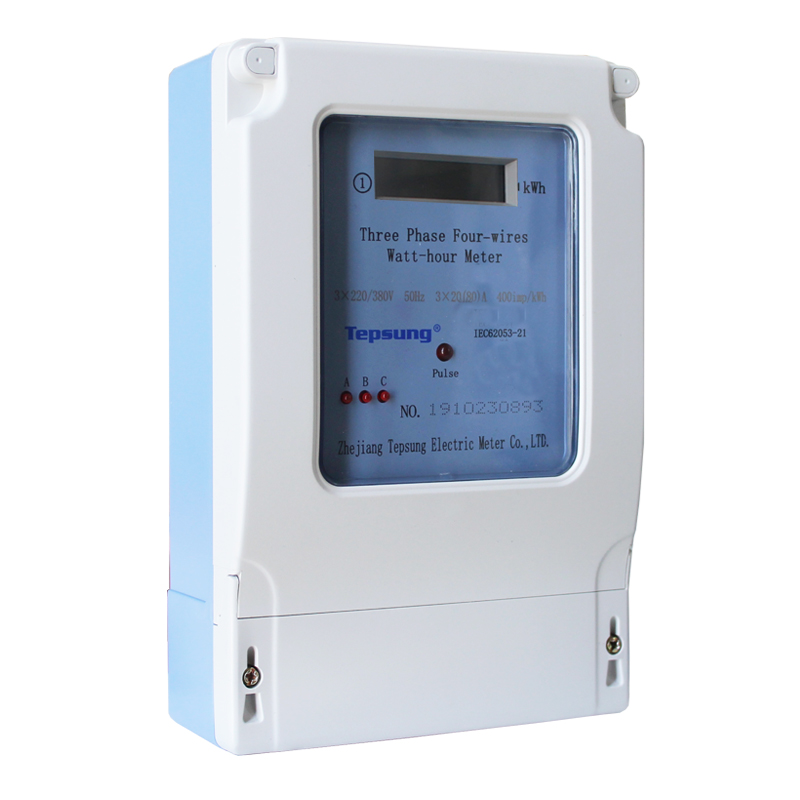
Petrochemical plants, refineries, and offshore oil rigs operate under rigorous safety standards due to flammable gases, vapors, and aggressive chemicals. An electrical spark or arc can trigger catastrophic explosions, so enclosures must meet stringent explosion-proof and corrosion-resistant criteria.
Explosion-Proof Certification
Look for ATEX Zone 1/2 or IECEx Zone 1/2 ratings. These certifications ensure the enclosure can contain any internal explosion and prevent ignition of surrounding gases.
Corrosion Resistance
Facilities often use hydrochloric acid, sulfur compounds, or other caustic agents. Enclosures with epoxy powder coatings over marine-grade aluminum or 316 stainless steel withstand chemical attack and salt spray.
Seamless Construction
Welded or one-piece housings eliminate seams where dangerous vapors might enter. Smooth, rounded edges also reduce splash pockets where liquids or dirt can accumulate.
Intrinsically Safe Terminals
Internal barriers and spark-arresting vents ensure that wiring faults don’t generate arcs or exceed safe temperatures. Look for integrated flame paths designed to cool hot gases before release.
Ease of Inspection and Seal Replacement
Regular maintenance is essential in hazardous areas. Quick-release flameproof gland plates and standardized O-rings let technicians reseal the enclosure fast—minimizing downtime and exposure risk.
Explosion-proof enclosures are non-negotiable in oil, gas, and petrochemical settings. Specifying the right meter box not only ensures compliance with health and safety regulations but also protects lives, facilities, and reputations.
Ports, marinas, and offshore platforms face relentless salt spray, high humidity, and the risk of waves or heavy rainfall. Salt accelerates corrosion, undermines metals, and degrades seals—jeopardizing both electrical integrity and long-term reliability.
Marine-Grade Materials
Choose 316L stainless steel or UV-stabilized fiberglass reinforced polyester (FRP) enclosures. Both resist salt corrosion far better than standard steel or aluminum.
Superior Sealing System
Continuous silicone gaskets, gasket channels, and drip-over flanges prevent water ingress—even under tidal spray or pressurized wash-downs.
Pressure Equalization Vents
Allow moisture-laden air to escape without letting water in. Desiccant-loaded vents or Gore® vents keep internal humidity low, preventing condensation.
Lockable, Reinforced Doors
Heavy-duty hasps and padlocks deter theft or tampering. Reinforced hinges and internal door stays ensure the enclosure remains sealed and accessible later.
UV and Impact Resistance
Outdoor marine environments also introduce sunlight and mechanical impact from floating debris. UV-stabilized coatings and IK08 or higher impact ratings help maintain structural integrity.
In maritime settings, even a small amount of salt water can corrode connections, leading to dangerous faults or inaccurate meter readings. A purpose-built, marine-rated enclosure protects your investment and ensures power monitoring remains accurate and safe.
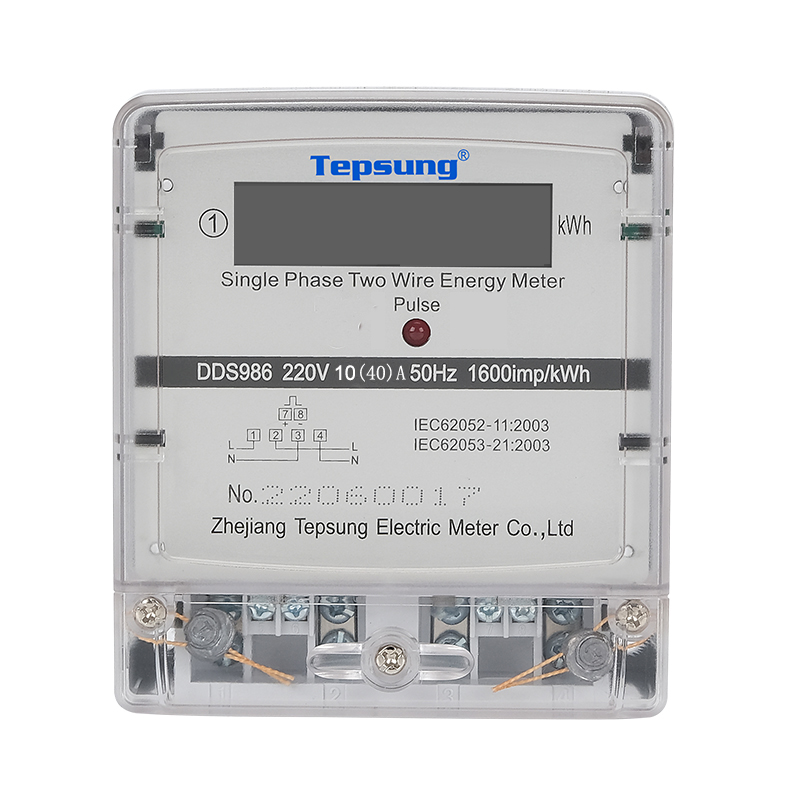
Mines, quarries, and large-scale energy projects feature heavy machinery, blasting operations, and long cable runs. Enclosures must survive rock falls, ground shifting, oversized cable entries, and extreme dust or moisture.
High Impact Resistance
IK10 or IK11-rated enclosures resist rock splinters, vehicle collisions, and accidental impacts from heavy equipment.
Robust Cable Entry Systems
Multiple large knockouts, universal cable glands, and oversized flanges accommodate thick power cables without compromising the seal. Look for modular entry plates customized to cable diameter.
Reinforced Mounting Feet
Heavy-duty feet or mounting plates secure the enclosure to uneven surfaces and withstand ground vibration or slight tremors common in mining sites.
Dust-Tight Construction
IP6X certification ensures zero ingress of fine particles—critical where silica dust or ore dust is prevalent.
Optional Climate Control
In regions with temperature extremes, consider enclosures with built-in heaters or cooling fans to keep internal electronics within operating limits.
A meter box in a mining or energy environment must be virtually indestructible while accommodating complex cable infrastructures. Properly specified enclosures reduce the risk of electrical failure, protect personnel, and streamline maintenance in some of the world’s harshest workplaces.
Zhejiang Tepsung Electric Meter Co., Ltd. has been at the forefront of electric enclosure innovation for over two decades. Their heavy-duty meter boxes can be fully customized to meet your exact industrial requirements:
Tailored Certifications: From ATEX and IECEx to UL and CE, Tepsung handles the certification process so you can deploy globally with confidence.
Material Selection: Choose from polycarbonate, stainless steel (304/316), fiberglass, or special alloys—each with specific coatings for UV, chemical, or salt-spray resistance.
Modular Interiors: Integrated DIN rails, partition panels, and pre-configured busbar kits simplify installation and future upgrades.
Custom Sizing & Knockouts: Tepsung can build enclosures in non-standard dimensions, with precise knockout patterns to match your cable and conduit layout.
Enhanced Security Features: Multi-point locking, tamper-evident seals, and padlock hasps protect against unauthorized access in remote or high-risk locations.
By partnering with Tepsung, you benefit from their in-house design, rapid prototyping, and world-class quality control—ensuring every meter box stands up to your toughest industrial challenges.
When selecting a heavy-duty electric meter box for industrial use, never rely on a “one-size-fits-all” mentality. Instead, align your enclosure choice with the specific environmental hazards and operational needs of your site:
Manufacturing Plants: Prioritize dustproofing, vibration resistance, and modular expansion.
Petrochemical/Oil & Gas: Insist on explosion-proof certification, chemical resistance, and seamless construction.
Ports & Offshore: Opt for marine-grade materials, superior sealing, and UV-stabilized designs.
Mining & Energy: Seek high IK ratings, large-capacity cable entries, and dust-tight construction.
Choosing the right heavy-duty electric meter box is more than a technical decision—it’s an investment in safety, reliability, and long-term performance. At Zhejiang Tepsung Electric Meter Co., Ltd., we understand the unique demands of every industrial environment. Whether you require explosion-proof enclosures for petrochemical plants, corrosion-resistant cabinets for offshore projects, or high-impact, dust-tight housings for mining operations, Tepsung delivers fully customizable solutions that exceed global standards.
We invite you to explore our extensive product portfolio and learn how our expertise can streamline your installation, reduce maintenance costs, and safeguard your operations. Visit us online at www.tpselec.com to download detailed specifications, view case studies, and discover the certifications that underpin our quality promise. If you have a specific application or require tailored advice, our technical sales team is ready to assist—simply fill out the contact form on our website or reach out directly via sales@tpselec.com. Partner with Tepsung and experience the confidence that comes from a meter box engineered for your toughest industrial challenges.


