Views: 0 Author: Site Editor Publish Time: 2025-10-21 Origin: Site


When you pick a certified electricity meter, you help keep your home safe. Certified meters must pass tough safety and reliability tests. These tests make electrical fires or shocks less likely. You can trust brands like Tepsung because their meters meet high standards. A certified meter helps keep you and your family safe each day.
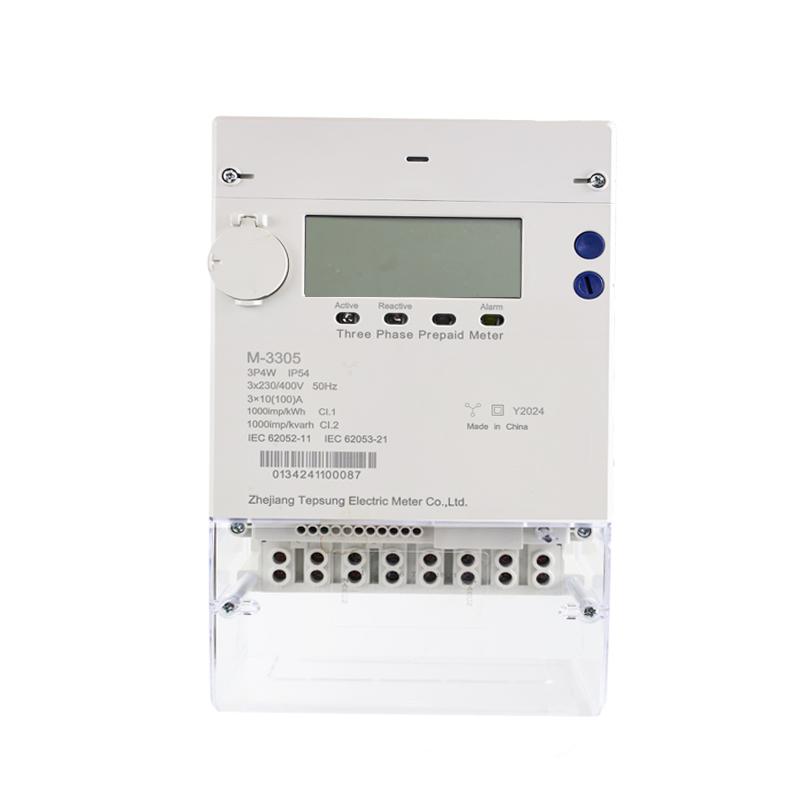
Pick certified electricity meters to keep your home safe. Certified meters go through tough tests to stop fires and shocks.
Check for labels like CE, KEMA, ISO, or ANSI C12.1-2024 on your meter. These labels show the meter follows important safety and accuracy rules.
Check your electricity meter often for certification. If you do not see a label, call your utility company for help.
Using certified meters makes sure your bill is correct and avoids problems with utility companies. They give correct readings and help protect your money.
If your meter is not certified, change it right away. Follow safety rules or get a licensed electrician to install it the right way.
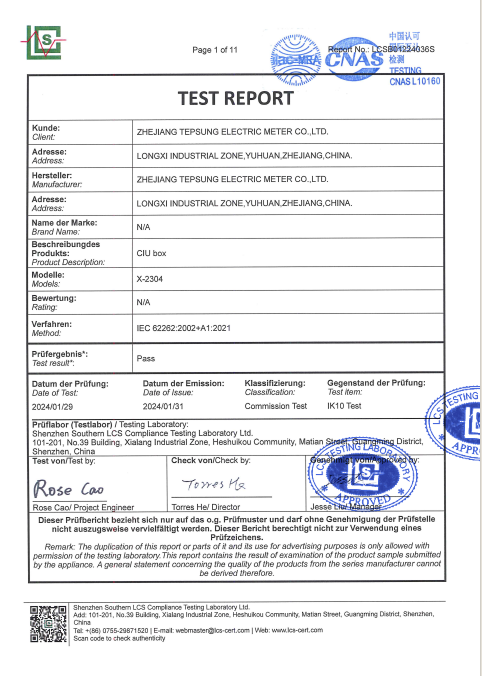
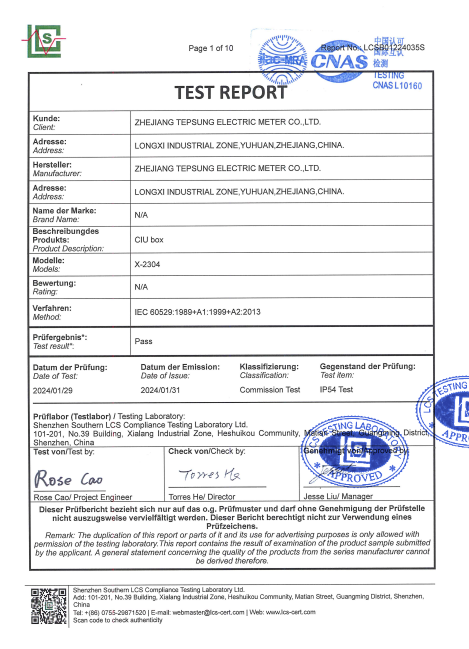
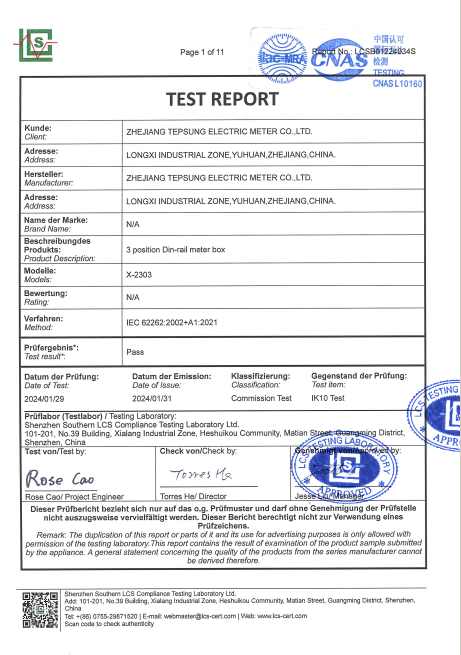
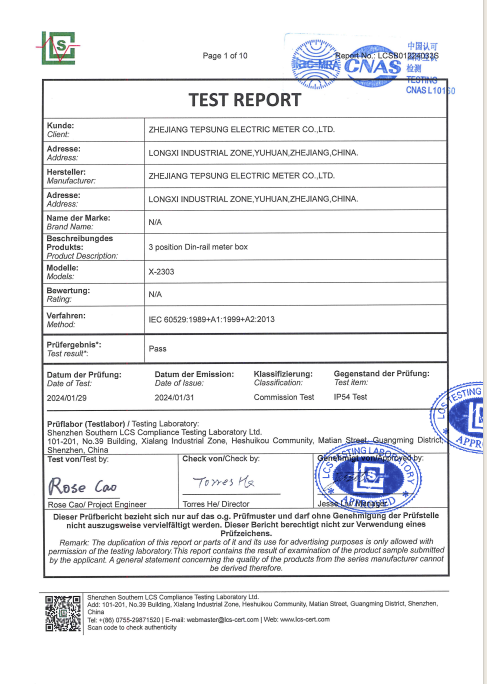
Certifications mean your electricity meter is safe and works well. If you see a certification mark, the meter passed many tests. These tests check if the meter works in different situations. They also make sure it follows important rules. There are different certifications like ce certification, iec certification, oiml certification, and eu certifications. Each one shows the meter meets certain rules and standards.
Many groups give out certifications for electric meters worldwide. They make sure meters follow rules used in many countries. Here is a table with some groups that give these certifications:
Organization | Description |
|---|---|
MET | Tests and certifies electric meters to meet international rules. |
CESI | Checks and certifies smart meters using global standards. |
RISE | Tests and certifies meters by Swedish, European, and global rules. |
VDE Institute | Certifies energy meters and other devices. |
Meters must pass many tests before you use them at home. These tests check if the meter is accurate, safe, and strong. Each certification has its own rules set by the group and the area, like the eu.
Certifications are important because they keep you safe. Certified meters follow strict rules and laws. They must pass tests for accuracy, safety, and tamper resistance. If a meter fails, it cannot get certified. This helps stop electrical dangers and billing errors.
Here are some main things checked during certification:
Criteria | Description |
|---|---|
Type Approval | Meters must match the original type after being made or fixed. |
Accuracy | Meters must be accurate as the Electricity Act 1989 says. |
Certification Life | Meters have a set life, usually 10 to 20 years. |
Self-Certification | Makers must follow strict rules to self-certify meters. |
Sealing | Meters need a special seal to stop tampering and show certification. |
In-Service Monitoring | Regular checks can change how long the certification lasts. |
You might wonder about certifications. Here are some common questions:
Why is electricity meter certification important?
How long does a meter stay certified?
What happens when a meter's certification ends?
How do you replace a meter when certification runs out?
If you pick a meter with global certifications, it meets top standards. Certified meters follow eu and world rules. They also get tested often and must meet all safety and performance rules. This helps you feel safe and keeps your home protected.
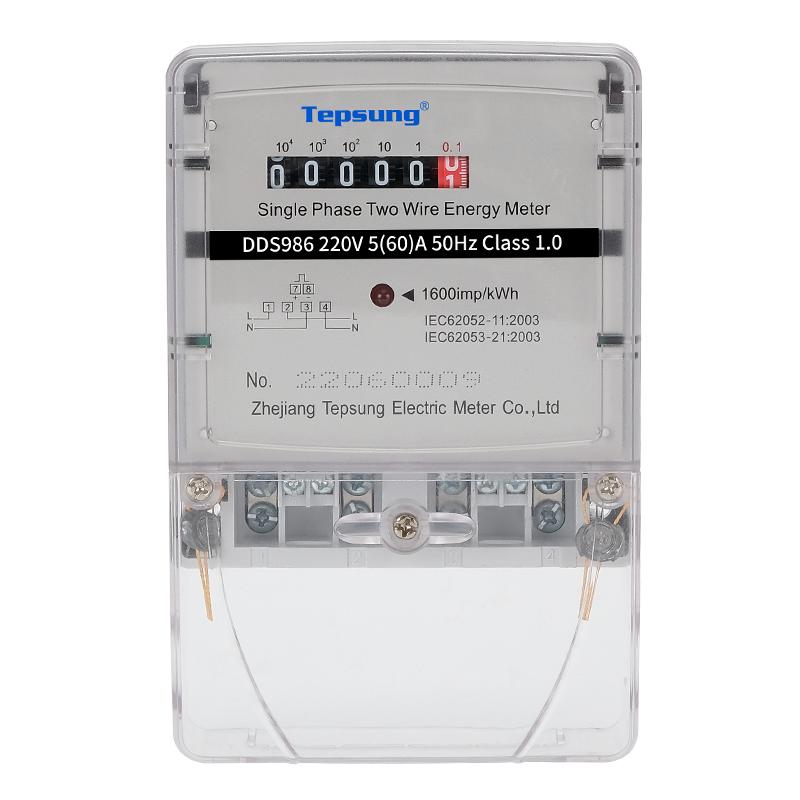
Electricity meters often have different certifications. Some of the most popular ones are CE, KEMA, and ISO. These marks mean the meter is safe and made well. The CE mark is used in Europe. It shows the meter meets local safety rules. KEMA certification comes from a trusted lab. It checks if meters work right and last long. ISO certifications, like ISO 9001:2015 and ISO 27001:2022, focus on quality and security. These standards help you trust your meter to measure electricity correctly.
Tepsung meters have CE, KEMA, and ISO certifications. This proves Tepsung cares about safety and quality. You can trust their meters to give correct readings and work safely. If you want to know how makers get these certifications, here is an easy process:
Find out the rules and standards for the meter.
Test the meter and gather needed papers.
Make a technical file.
Write a Declaration of Conformity.
Put the certification mark on the meter.
These steps make sure every meter is safe before you use it.
Tip: Always check for marks like CE, KEMA, or ISO on your meter. These marks show your meter is safe and works well.
In North America, ansi c12.1-2024 is a key certification for electric meters. This standard is part of the ansi c12 series. It sets rules for how meters should work and how accurate they must be. ansi c12.1-2024 covers many types of meters, like AC watthour meters, demand meters, and pulse devices. It also explains how to install and test meters.
Here is a table that shows what ansi c12.1-2024 checks:
Requirement Type | Description |
|---|---|
AC Watthour Meters | Sets rules for new AC watthour meters. |
Demand Meters | Lists what demand meters must do. |
Demand Registers | Explains how demand registers should work. |
Pulse Devices | Details how pulse devices must perform. |
Auxiliary Devices | Includes rules for extra devices used with meters. |
In-Service Performance Levels | Describes how meters should work when used for billing. |
Installation Requirements | Gives steps for installing meters safely. |
Test Methods | Shows how to test meters for accuracy. |
Test Schedules | Tells when to test meters to keep them working well. |
ansi c12.1-2024 updates older rules. It covers more meters and adds new rules for voltage and frequency. You get better safety and more accurate readings with meters that follow ansi c12.1-2024. Tepsung meters meet ansi c12.1-2024, so you know you are using a meter that follows the newest safety and performance rules.
Note: Picking a meter with ansi c12.1-2024 certification helps you avoid problems with bills and safety.
Certified electricity meters help keep your home safe. If you use a meter with certifications, you lower the chance of fires and other dangers. These meters have smart systems that find problems early. Here is how they help protect you:
The meter’s system finds fire risks before they get bad.
You get alerts if there is a risk, so you can act fast.
Engineers and electricians are ready to help if needed.
The system only sends real warnings. Every alert means a real problem, so you do not get fake alarms.
Most fires do not happen because the system finds issues early.
You can feel sure your meter helps stop accidents. This smart technology works with you and experts to keep your home safe. Picking meters with certifications is a smart way to protect your family.
Getting correct electricity readings is important for your home and money. Certified meters use smart tools to make sure your bills are fair. These meters also help stop tampering and mistakes. The table below shows how certified meters keep your readings right:
Mechanism/Feature | Description |
|---|---|
Calibration and Accuracy Standards | Factory checks make sure energy measurements are correct. |
Tamper Detection Mechanisms | Built-in tools find tampering and record events for review. |
Security Features in Data Transmission | Special codes keep data safe from people who should not see it. |
Self-Testing and Diagnostic Capabilities | The meter checks itself all the time and finds problems or strange readings. |
Event and Audit Logs | Logs show tampering tries and mistakes to keep things honest. |
Real-Time Monitoring and Remote Management | You can track energy use from far away and find problems early. |
Redundancy and Fail-Safes | Extra storage stops data loss and keeps readings correct. |
Smart meters use these tools to help you feel safe. You know your bills match your real energy use. You also know your meter fights tampering and keeps your data safe. These meters help with revenue metering, so your utility company can trust the numbers.
Certified meters help the whole grid work better. Smart meters and smart grid technology give you details about your energy use. This data helps you and your utility company save energy. It also helps balance the grid and makes the country use energy better. Using certified meters helps your home and country reach energy goals.
Certified meters must work well for a long time. This means they stay accurate even after years. You get good performance and correct readings, no matter what.
Tip: Pick a certified electricity meter for smart, safe, and reliable readings in your home.
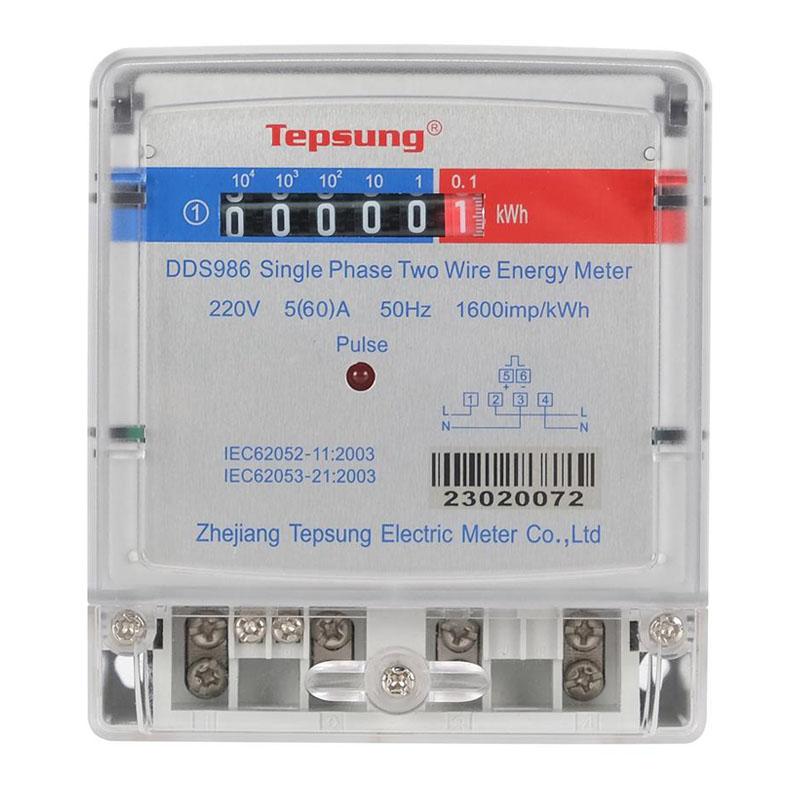
Most electricity meters have certification labels. These labels mean the meter passed safety and accuracy tests. Look for marks like CE, KEMA, ISO, or ANSI C12.1-2024. Each label shows the meter follows strict rules. You might see these marks on the front or side. Some meters have stickers. Others have the marks engraved.
Here is a table to help you spot common certification labels:
Label | What It Means | Where to Find It |
|---|---|---|
CE | Meets European safety rules | Front or side of meter |
KEMA | Passed reliability tests | Sticker or engraving |
ISO | Follows quality standards | Product label |
ANSI C12.1-2024 | Meets North American rules | Marked on meter body |
Tip: Always look for these labels before you trust a meter in your home.
You can check your meter for certifications with a few steps. First, look at the outside of the meter. Find the label or mark that shows the certification. If you see CE, KEMA, ISO, or ANSI C12.1-2024, the meter meets high standards. Some smart meters have screens that show certification info when you press a button.
Tepsung meters make this easy. You will see clear certification marks on every Tepsung meter. These meters use strong materials and new technology to keep readings right. If you want a new meter, pick a brand like Tepsung. You will feel safe knowing your meter meets all important certifications.
Note: If you do not see any certification label, ask your utility company or an electrician for help. Certified meters help keep your home safe and your electricity readings correct.
Uncertified meters can make your home unsafe. You might think all meters are the same, but uncertified ones do not always work right. These meters can break and cause big problems. You could get electrical surges that hurt your appliances or even start a fire. Some meters make dirty electricity that moves through your wires and pipes. This can be bad for your health and make your home less safe. Smart meters without certifications can also give off radio-frequency radiation. This kind of radiation can affect your body because it is active in living things.
Here are some safety risks from uncertified meters:
Electrical surges can break electronics and start fires.
Dirty electricity can move through your home and hurt your health.
Radio-frequency radiation from smart meters can be risky for health.
Broken meters may not warn you about problems, so you stay in danger.
It is important to know how these meters can fail. The table below shows some problems and what they can do to your home:
Fault Description | Possible Causes | Impact |
|---|---|---|
Showing wrong numbers or no numbers at all | Power issues, broken display, loose wires, weather | You cannot read data, hard to fix, security problems, device damage |
Wrong meter readings | Power changes, sensor problems, outside factors | Lose money, equipment breaks, work gets messed up |
Power goes out a lot or trips often | Bad power supply, broken equipment, old parts | Wrong meter readings, more safety problems |
Error messages or weird symbols show up | Power problems, software bugs, bad connections | Device stops recording or gives bad data. |
If you use uncertified meters, you might lose control over your electricity. You may not see problems until it is too late. Utilities need good meters to keep your home safe. If your meter fails, you lose that safety.
Tip: Always pick meters with certifications. Certified meters help keep your home and your health safe.
Uncertified meters can mess up your bills and cause legal trouble. You might get high bills because your meter does not measure right. This can mess up your budget and make it hard to plan money. If you want to sell your home, uncertified meters can cause problems when people check your house. Utilities might not connect your home or may ask you to change the meter before giving you service.
Here are some money and legal problems you could have:
High bills can make it hard to pay for things.
You might have trouble selling your home if the meter is not good.
Utilities might not accept your meter, causing delays or extra costs.
You need good meters to avoid fights with utilities. Certified meters help you show your real usage and stop billing mistakes. Uncertified meters can make you argue with your utility company. You might have to buy a new meter or pay fines if your meter does not follow the rules.
Note: Certified meters help you stay out of legal trouble and keep your bills right. Utilities trust certified meters to give correct readings.
If your electricity meter does not have a certification label, you need to act fast. Certified meters help stop electrical dangers and billing errors. Here are easy steps to change an uncertified meter:
Turn off power at your utility panel. Make sure the area is safe before starting.
Look around your meter for loose wires or trash. Remove anything that could cause trouble.
Unscrew and take out the old meter box. Be careful not to break wires or other parts.
Put in the new certified meter box. Make sure it is tight and straight on the wall.
Connect all wires and parts again. Check that everything is covered and hooked up right.
Turn the power back on and test the new meter. Make sure it works and shows correct numbers.
Follow local rules and laws. A licensed electrician can help you do everything safely.
Tip: Always get a licensed electrician for electrical jobs. They know how to put in meters safely and follow the rules.
You might need help from different groups when you change an uncertified meter. Here is who you should talk to:
Call your electric provider first. They can help you and answer questions.
If your electricity comes from the city, call the city office.
For electric cooperatives, talk to the co-op leaders.
If you use a private provider, contact the Public Utility Commission (PUC).
If you still need help, ask for a supervisor or file a complaint with the PUC.
Note: Utility companies and government offices want you to be safe. They can help you pick certified meters and make sure your meter is put in right.
Certified meters keep your home safe and your bills fair. If you have questions, ask professionals or your utility provider for help.
Picking a certified electricity meter keeps your home safe. It also helps you use energy better. You get many good things over time:
See how much energy you use right now.
Pay the right amount on your bills.
Use less energy and help nature.
Control your utilities from any place.
Help keep the grid strong and stop blackouts.
Tepsung sells meters with trusted certifications. Here are some types:
Certification | Description |
|---|---|
ISO | International standard for quality management |
CE | Meets EU safety rules |
KEMA | Tested by a recognized laboratory |
STS | Standard Transfer Specification-Smart prepaid meter encription system |
Look for these marks on your meter. You feel safe when you pick certified products.
A certification label means your meter passed safety tests. It also passed accuracy tests. You can trust the meter to work well. It helps keep your home safe.
Check your meter once every year. Look for labels like CE, KEMA, ISO, or ANSI C12.1-2024. If you do not see a label, call your utility company.
Do not install a meter by yourself. Always call a licensed electrician. Electricians know how to put in meters safely. They follow all the rules.
Utility companies want you to be safe. They also want your bills to be correct. Certified meters help stop accidents. They help stop mistakes with your bill.
Call your utility provider.
Ask for a certified meter to replace it.
Do not try to fix or change the meter yourself.
Certified meters help protect your home. They also help you avoid problems with bills or the law.