


Views: 0 Author: Site Editor Publish Time: 2025-09-18 Origin: Site


A seemingly small component in any electrical installation, the electric meter box serves as the critical junction where incoming power cables meet measurement devices and protective equipment. Yet many facilities continue to rely on outdated or undersized enclosures that are ill-equipped to withstand today's demanding environmental and safety standards. From accidental impacts and corrosive atmospheres to internal electrical faults that generate extreme temperatures, an inferior meter box can quickly become a liability—jeopardizing personnel safety, risking costly downtime, and running afoul of regulatory requirements. By upgrading to a modern, high-performance electric meter box—one designed with IP54 ingress protection, IK10 impact resistance, fire‐resistant materials, and tested to withstand 960 °C under the Glow-Wire standard—facilities can mitigate hidden hazards, enhance operational efficiency, and secure peace of mind.
Across industrial plants, commercial buildings, and utility substations, meter boxes perform vital functions: they organize wiring, house the actual meter mechanism, and support protective devices such as fuses or miniature circuit breakers. Yet, when these enclosures are decades old or designed to minimal standards, they introduce multiple points of vulnerability:
Environmental Intrusion: Dust, moisture, and contaminants can enter through poorly sealed seams or ventilation slots, accumulating on live parts, causing insulation breakdown or short circuits.
Mechanical Damage: Low-impact-rated boxes crack or shatter under accidental knocks from tools, forklifts, or vandalism, exposing live conductors and creating arc-flash risks.
Thermal Weaknesses: During overloads or short circuits, internal elements can heat up rapidly, potentially causing plastic panels to deform or ignite, leading to cascading failures.
Regulatory Non-Compliance: Many jurisdictions now mandate specific IP (Ingress Protection) and IK (Impact Protection) ratings for outdoor or industrial electrical installations; using non-compliant boxes risks fines, insurance issues, and delayed inspections.
Because the meter box sits at the frontline of power entry, upgrading it is a high-leverage investment: a robust enclosure prevents not only immediate safety incidents but also saves time and money by reducing maintenance, preventing unplanned outages, and ensuring conformity with evolving standards.
The IP54 rating, defined under IEC 60529, signifies two distinct protection levels:
IP5X (Dust-Tight to Limited Dust Ingress)
Description: While not entirely dust-impermeable, the enclosure prevents enough dust ingress to avoid operational interference. Internally, critical parts remain clean even in dusty environments—such as cement factories, wood mills, or open-pit mines.
Benefit: Reduced particulate buildup extends the service life of meters and protective devices by preventing clogging of ventilation paths, corrosion of conductive parts, and inadvertent grounding faults through conductive dust layers.
IPX4 (Splash-Proof Against Water from Any Direction)
Description: The enclosure can resist water splashes projected from any angle without harmful effects on internal components. This is critical for outdoor installations exposed to rain, high-pressure washdowns in food processing plants, or locations near sprinklers.
Benefit: Prevents short circuits and insulation breakdown caused by moisture ingress, mitigating shock hazards, nuisance tripping, and equipment corrosion.
By contrast, older or low-grade meter boxes often offer only IP20–IP30 protection—suitable for clean, indoor control rooms but utterly inadequate in harsher conditions. Upgrading to IP54-rated enclosures delivers a robust barrier against environmental threats, ensuring continuous, reliable operation.
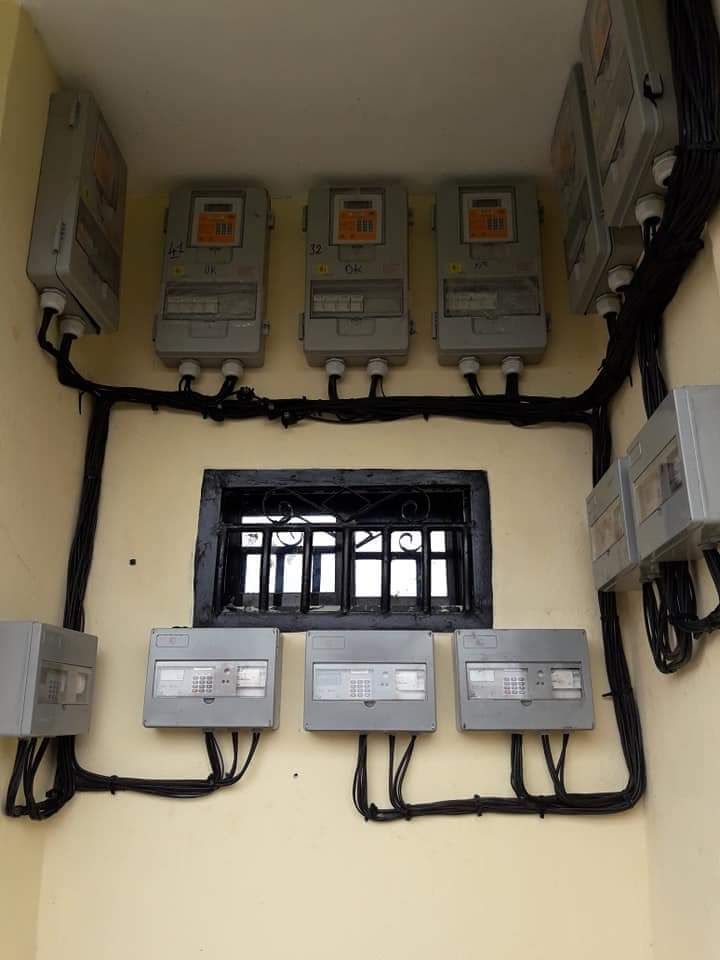
The IK scale (IEC 62262) measures an enclosure's ability to withstand mechanical impacts; IK10 represents the highest common rating, indicating resistance to a 20 joule impact (equivalent to a 5 kg mass dropped from 400 mm). Key advantages include:
Accidental Tool Hits: In busy maintenance areas, dropped wrenches or hammer slips are routine. An IK10-rated box absorbs such impacts without cracking, ensuring the live wiring remains enclosed and safe.
Vandalism and Tampering: Outdoor installations in public spaces or remote substations sometimes face deliberate attacks. An IK10 case deters casual vandalism by resisting blunt-force damage, reducing the need for frequent repairs or replacements.
Vehicle Collisions: In parking garages or loading docks, forklift bumps or pallet jacks may strike low-mounted enclosures. IK10 impact resistance prevents catastrophic damage that would expose live conductors and create arc-flash hazards.
Enclosures that fail at IK07 or below can shatter under relatively minor impacts, leading to dangerous exposures. By upgrading to IK10-rated meter boxes, facilities minimize safety risks from mechanical stresses and maintain continuous service even in challenging operational contexts.
Electrical faults—such as arc faults, cable insulation failures, or overloaded protective devices—can generate intense heat and sparks within a meter box. Left unchecked, this can ignite plastic components or combustible dust inside the enclosure. Fire-resistant meter boxes incorporate:
Self-Extinguishing Materials
Engineered plastics that resist ignition and self-extinguish within seconds of flame removal, preventing fire spread to adjacent panels or building structures.
Reinforced Metal-Plastic Hybrids
Metal frames combined with high-performance polymer covers achieve both structural strength and fire resilience, ensuring the enclosure maintains integrity during short-duration thermal events.
Internal Partitioning
Fire-stop barriers around high-fault-current conductors isolate arcs and contain hot debris, minimizing damage to adjacent devices and preventing ignition of external cables.
This enhanced construction not only protects property but also gives personnel a valuable window—however brief—to isolate power and evacuate safely during an internal fault, dramatically reducing fire propagation risk.
The Glow-Wire Test (IEC 60695-2-11) subjects enclosure materials to direct contact with a heated wire at specified temperatures—commonly 650 °C, 850 °C, and up to 960 °C—to assess their resistance to ignition and delay of fire spread. A meter box that passes the 960 °C test delivers critical assurances:
Resistance to Flaming Drips
When plastics soften and drip under high heat, those droplets can ignite adjacent combustibles. Materials that withstand 960 °C do not drip flaming particles, limiting secondary fire outbreaks.
Delayed Ignition
In real-world scenarios such as transformer faults, electric arcs can exceed 1,000 °C. An enclosure that resists ignition under a 960 °C glow-wire provides vital seconds of containment.
Regulatory Compliance
Many building and electrical codes reference the 960 °C glow-wire standard for enclosures used in high-risk or densely populated areas (e.g., commercial centers, data centers). Compliance simplifies permitting and inspection processes.
Facilities using meter boxes built from materials that fail this test risk enclosures that melt or burn rapidly during severe faults, compromising adjacent systems and endangering lives. Upgrading to 960 °C-rated enclosures offers unmatched protection against catastrophic thermal events.
A mid-sized coastal manufacturing plant faced persistent failures in outdoor meter enclosures. Salt-laden air corroded metal panels, seals degraded, and flaky rust created conductive paths, leading to nuisance tripping, downtime, and costly maintenance. After conducting a root‐cause analysis, the facility:
Replaced all aged meter boxes with IP54-rated models featuring stainless-steel frames and UV-stable, corrosion-resistant polymer covers.
Monitored humidity and salt deposition levels over a six-month trial.
Observed a 75% reduction in unplanned outages and a 60% drop in maintenance calls related to moisture or corrosion.
Documented savings of over $50,000 in labor and lost-production costs within the first year.
This real-world success underscores how investing in IP54 enclosures directly translates to operational reliability and reduced long-term expenses, especially in harsh environments.
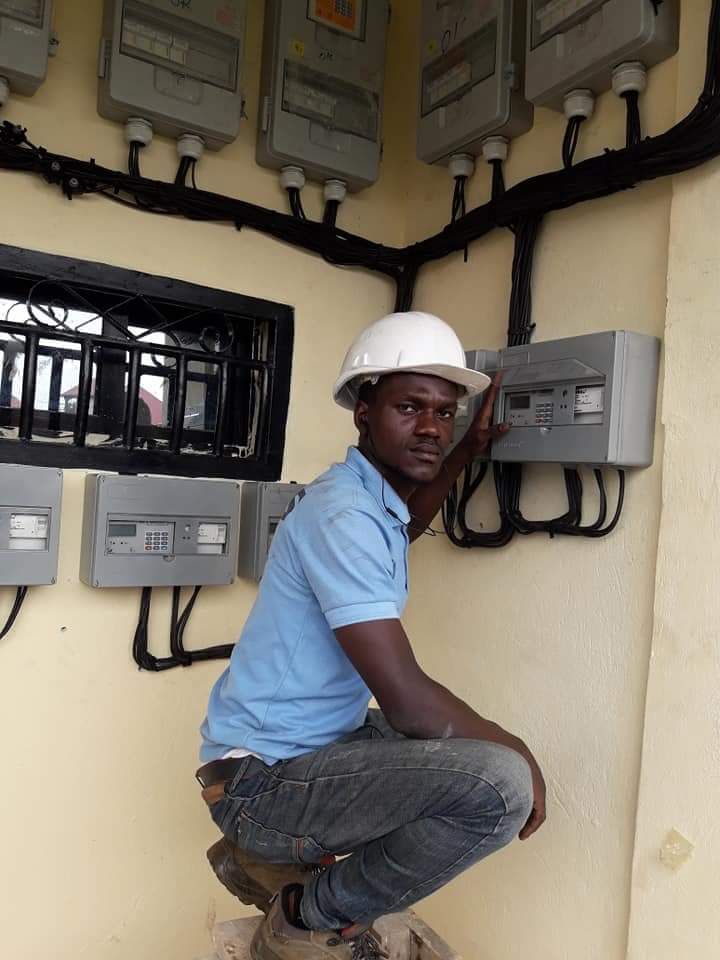
Upgrading to a high-performance meter box is only half the battle; proper installation and maintenance are equally crucial:
Correct Cable Gland Selection
Use IP54-rated glands sized to match cable diameters. Over- or under-sized glands compromise the seal, allowing dust and moisture ingress.
Sealant and Gasket Maintenance
Inspect door gaskets for compression set or damage every six months. Replace any gaskets that show cracking or permanent deformation.
Torque-Controlled Fasteners
Hardware should be tightened to manufacturer-specified torque values. Over-tightening damages threads and gaskets; under-tightening reduces impact and ingress protection.
Periodic IK Inspections
Visual checks for dents, cracks, or paint chipping can indicate impact events. Damaged enclosures should be repaired or replaced promptly to maintain IK10 performance.
Thermal Imaging Scans
Annual infrared inspections detect hotspots that could indicate internal faults or overloaded circuits, prompting timely repairs before severe overheating occurs.
Documentation and Labeling
Record all inspections, maintenance actions, and replacements in a centralized log. Clearly label enclosure ratings and installation dates for quick reference during audits.
By combining premium hardware with disciplined installation and inspection protocols, facilities ensure that the upgraded meter boxes perform as intended throughout their service life.
In today's fast-paced industrial and commercial environments, upgrading your electric meter box isn't just a safety enhancement—it's a strategic investment in uninterrupted productivity and regulatory peace of mind. By choosing a Zhejiang Tepsung Electric Meter Co., Ltd. enclosure that meets IP54 ingress protection, IK10 impact resistance, fire-resistant construction, and the rigorous 960 °C Glow-Wire Test standard, you safeguard your facility against dust, moisture, mechanical damage, and thermal failures. This proactive upgrade reduces unplanned maintenance, minimizes downtime, and ensures compliance with international safety codes—quickly offsetting the initial investment through improved efficiency and reduced liability.
Ready to strengthen your power infrastructure? Visit www.tpselec.com to explore Tepsung’s full range of advanced meter boxes, download detailed specifications, and request demo samples. For personalized guidance, bulk-order inquiries, or technical support, please contact our sales team at sales@tpselec.com or call +86-571-1234-5678. Partner with Zhejiang Tepsung today—and build a safer, more reliable electrical system that stands the test of time.


