


Views: 0 Author: Site Editor Publish Time: 2025-09-18 Origin: Site


In the era of Industry 4.0, every piece of equipment on the shop floor and in the control room plays a strategic role in ensuring smooth, efficient, and safe operations. Among these, the humble electric meter box has evolved from a simple enclosure that houses meters and fuses into a pivotal smart data hub—responsible not only for protecting sensitive components but also for facilitating real-time insights, remote diagnostics, and seamless integration with broader energy management systems.
Traditionally, electric meter boxes were valued solely for their mechanical protection: keeping dust, water, and accidental contact away from live electrical parts. Industrial engineers selected boxes based on factors such as ingress protection (IP) rating, impact resistance (IK rating), and material durability. However, as digitalization swept through manufacturing plants, petrochemical facilities, and energy installations, meter boxes took on a new role. No longer just “boxes,” they became the first point of data collection in an integrated ecosystem of sensors, controllers, and analytics platforms.
This shift—from passive enclosure to active information node—mandates a level of customization that goes far beyond a standard catalog offering. Industrial sites differ widely in their communication protocols, environmental challenges, and integration requirements. A one-size-fits-all meter box may protect the hardware, but it cannot optimize data flow, support future upgrades, or align with the unique architecture of your control networks. Customizable meter boxes, by contrast, allow you to specify exactly which communication interfaces, monitoring features, and reporting tools you need today—and easily add or swap them tomorrow as your operation grows and changes.
One of the most critical customization areas for modern meter boxes is the choice of communication interfaces. Whether your plant operates a legacy PLC network, a centralized SCADA system, or an IIoT platform leveraging MQTT, having the right ports and protocols built directly into the meter box can save weeks of integration work and countless hours of wiring.
PLC Connectivity: Programmable Logic Controllers remain the backbone of many industrial automation schemes. Custom meter boxes can be factory-equipped with dedicated PLC I/O modules—such as ProfiNet, EtherNet/IP, or Modbus RTU—so that power data flows directly into your existing control loops. This native support eliminates protocol converters and extra junction boxes, reducing potential points of failure.
SCADA Integration: In large facilities, Supervisory Control and Data Acquisition (SCADA) systems provide centralized monitoring and alarming. A customizable meter box can include serial RS-485 ports or Ethernet switches pre-wired to feed SCADA RTUs with voltage, current, power factor, and energy consumption metrics. By complementing your site’s SCADA architecture, such boxes turn raw meter outputs into actionable dashboard feeds.
MQTT & IIoT Support: The growing push toward cloud-based analytics demands lightweight, publish-subscribe protocols like MQTT. Industrial meter boxes can now be specified with on-board gateways that convert Modbus or DNP3 data into secure MQTT topics. These gateways often include built-in SSL/TLS encryption and edge buffering, ensuring that no critical readings are lost even during network interruptions.
Hybrid & Future-Proof Options: Some advanced meter boxes support multiple simultaneous interfaces—allowing parallel connections to PLCs, SCADA, and IIoT platforms. Others offer hot-swappable communication cards, so additional protocols can be added on-site without returning the enclosure to the factory. This flexibility is invaluable for facilities undergoing phased digital transformation or operating across multiple geographic regions with different communication standards.
By selecting the right combination of interfaces at the outset, project teams can drastically reduce commissioning time, simplify troubleshooting, and eliminate compatibility headaches down the road.
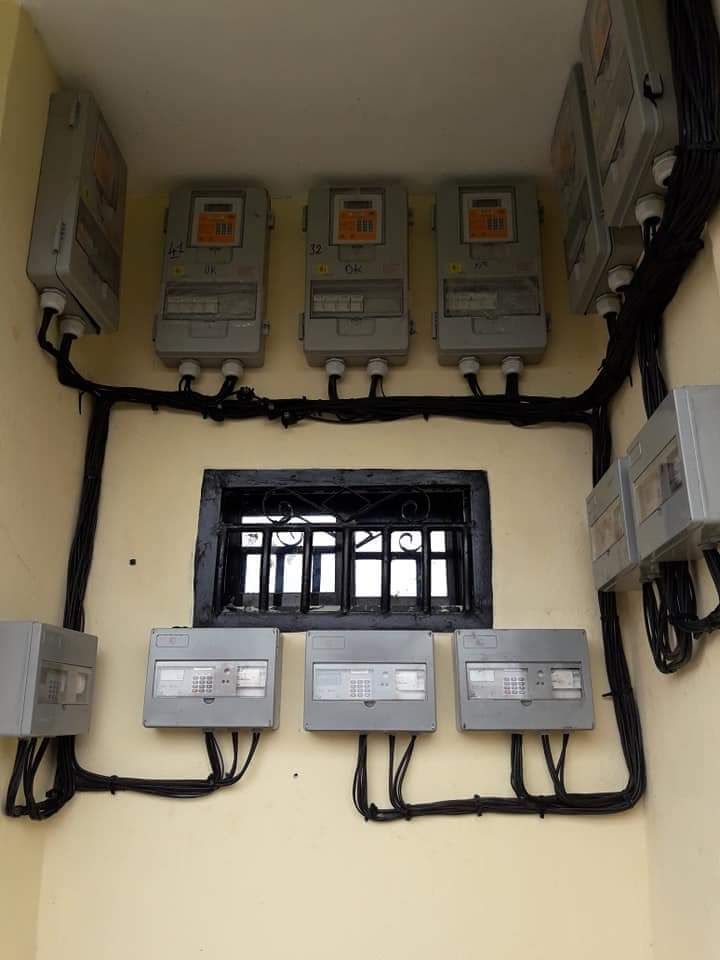
Beyond raw data transmission, modern industrial operations demand proactive monitoring and immediate visibility—wherever engineers or managers happen to be. Customizable meter boxes equipped with built-in remote monitoring and diagnostic modules can become the first line of defense against power anomalies that could cripple production.
Embedded Web Servers: Many meter boxes now offer integrated web servers that host a lightweight, secure user interface. Connected via Ethernet or cellular modems, these servers allow authenticated personnel to log in from any standard browser—PC or tablet—and view real-time meter readings, historical trends, and alarm logs. The ability to access this interface without installing dedicated client software simplifies rollouts and user training.
Mobile App Push Notifications: In high-stakes environments, waiting for an email or scheduled report can be too late. Custom meter boxes can include cellular or Wi-Fi modems that push alerts directly to a mobile app. Whether on-site or halfway across the globe, maintenance teams receive instant notifications about voltage spikes, phase imbalances, or enclosure door openings—enabling rapid response before a minor issue blossoms into a costly shutdown.
Self-Diagnostic Health Checks: Enclosures with intelligent monitoring modules can run periodic self-tests on critical components—such as verifying CT/PT integrity, checking internal temperature sensors, or testing UPS backup for communications. When a fault is detected, the box can log detailed diagnostic codes and proactively alert technicians, greatly reducing mean time to repair (MTTR).
By embedding remote monitoring capabilities at the meter box level, industrial operators gain around-the-clock visibility, faster root-cause identification, and the ability to address issues long before they trigger safety incidents or unplanned downtime.
While PLCs and SCADA handle real-time control, high-level decision-makers rely on Enterprise Resource Planning (ERP) and dedicated Energy Management Systems (EMS) to optimize costs, manage budgets, and track sustainability goals. Customizable electric meter boxes can be preconfigured with middleware or APIs that streamline data exchange with these business-critical platforms.
Data Normalization & Aggregation: Raw meter outputs often require scaling factors, timestamp alignment, and validation before they can feed into ERP modules for cost accounting or budgeting. Smart meter boxes can include onboard processors that normalize data—applying calibration coefficients, filtering spikes, and summarizing kWh usage over user-defined intervals—so that downstream systems receive clean, ready-to-use datasets.
Standardized Reporting Interfaces: Many ERP/EMS solutions support standardized import formats such as OPC UA, CSV uploads, or RESTful web services. Enclosures can be customized to deliver scheduled batch reports—like daily energy consumption summaries—via FTP or HTTPS, or push real-time data streams over secure webhooks. This direct integration eliminates manual file transfers and spreadsheet reconciliation.
Demand Charge Management: For operations billed on demand charges, near-real-time monitoring of peak load periods is essential. Custom meter boxes can generate rolling peak reports—alerting facilities managers when power draw approaches contractual thresholds—so that load-shedding strategies or equipment sequencing can be implemented proactively to avoid penalty charges.
Sustainability and Carbon Tracking: As regulatory pressure mounts to reduce greenhouse gas emissions, meter boxes can be tailored to include embedded CO₂ conversion factors—turning kWh readings into estimated carbon footprints. These metrics can flow into ESG (Environmental, Social, Governance) dashboards, supporting corporate sustainability reporting and continuous improvement initiatives.
By choosing a meter box with built-in ERP/EMS integration capabilities, organizations gain end-to-end visibility—from instantaneous power events on the factory floor to quarterly energy budgets and sustainability targets in the boardroom.
Finally, one of the greatest advantages of a highly configurable electric meter box is its ability to generate custom reports and alarm protocols tailored to your operational priorities. Off-the-shelf meter enclosures often limit data logging to basic functions; in contrast, a customizable solution empowers you to define exactly which metrics, intervals, and notification thresholds matter most.
Onboard Report Scheduling: Specify daily, weekly, or monthly PDF or CSV reports that automatically compile key metrics—such as total energy consumption, peak demand events, power factor trends, and phase imbalance statistics. These reports can be emailed to multiple stakeholders or uploaded to shared drives without manual intervention.
Tiered Alarm Profiles: Different operational roles require different alert levels. Customize low-level warnings for maintenance staff (e.g., 80% of rated current), high-level alarms for supervisory teams (e.g., 95% of rating), and critical shutdown triggers for safety officers (e.g., ground fault detection). Each tier can have its own notification channels, from SNMP traps and SMS texts to SCADA alarms or mobile app push messages.
Event Logging and Audit Trails: For compliance and troubleshooting, configure the meter box to log every event—door openings, firmware updates, integrity tests, and alarm confirmations—along with user IDs and timestamps. These audit trails support root cause investigations and regulatory inspections without the need for external logging appliances.
Custom Dashboard Widgets: Some advanced enclosures include lightweight HMI screens or companion web dashboards that let you arrange real-time widgets—gauges, trend charts, and status indicators—according to your plant’s priorities. Technicians can instantly see the parameters they care about most, while executives can view high-level KPIs in a single glance.
In essence, by defining your own reporting and alarm strategies at the enclosure level, you ensure that critical information is delivered in the right format, at the right time, to the right people—minimizing information overload and maximizing operational responsiveness.
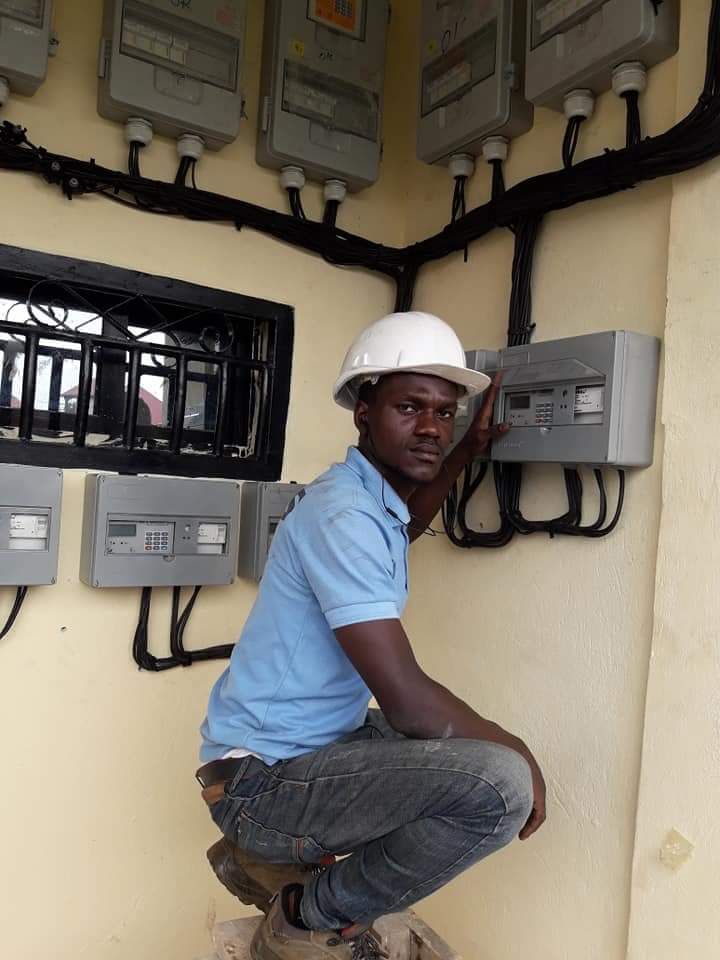
In modern industrial settings, electric meter boxes have transcended their traditional role as simple protective housings. They are now integral components of a digitalized power monitoring and management ecosystem—acting as smart data hubs that connect field devices to control systems, remote dashboards, business analytics platforms, and mobile applications. However, to unlock their full potential, meter boxes must be as unique as the operations they serve.
Customizability empowers you to:
Align communication protocols with existing PLC, SCADA, and IoT architectures, eliminating integration hurdles.
Embed remote monitoring and self-diagnostic capabilities that keep your teams informed and operations running smoothly.
Streamline data flows into ERP and energy management systems, supporting cost control and sustainability goals.
Automate reporting and alarms in precisely the formats and frequencies your organization requires.
Future-proof your investment by allowing on-site upgrades, protocol swaps, and capacity expansions without replacing the entire enclosure.
At Zhejiang Tepsung Electric Meter Co., Ltd., we specialize in designing and manufacturing heavy-duty electric meter boxes that reflect your exact specifications—combining industry-leading materials, certifications, and modular architectures. Whether you’re retrofitting a legacy plant or building a next-generation smart factory, our customizable solutions ensure that your meter enclosures do far more than house equipment: they become strategic assets in your journey toward operational excellence.


