


Views: 0 Author: Site Editor Publish Time: 2026-05-05 Origin: Site


The modern power grid relies on highly intelligent hardware at every single endpoint. The humble spinning-disk device has fully transformed into a critical IoT edge node. It actively drives both modern grid stability and complex property management. Property managers, enterprise decision-makers, and utility operators face a significant crossroads today when deploying these advanced systems. Choosing between prepaid and postpaid models transcends basic billing preferences entirely. It directly dictates your cash flow stability, actively shapes daily operational overhead, and exposes your business to varying compliance risks.
This article provides an evidence-based framework for evaluating both metering architectures in detail. You will learn how technological convergence rapidly blurs traditional operational boundaries between these models. We will help you determine exactly which configuration best fits your specific demographic and regional market needs. Understanding these crucial nuances helps operators avoid strict regulatory penalties while ensuring continuous, predictable revenue generation.
Cash Flow vs. Continuity: Prepaid models eliminate bad debt and accelerate cash flow, while postpaid models prioritize uninterrupted power for mission-critical and long-term residential applications.
Technological Convergence: Modern smart meters blur the lines, allowing utilities to toggle between prepaid and postpaid modes via wireless protocols (LoRaWAN, 4G, Wi-Fi) without changing hardware.
Compliance Constraints: Postpaid plans often require credit checks and deposits, whereas prepaid models face strict regulatory hurdles regarding vulnerable populations (e.g., "Critical Care" disconnection laws).
Market Fit: Selection depends heavily on the end-user profile—transient populations and micro-utilities favor prepaid, while heavy industries and stable demographics lean postpaid.
The evolution of prepaid systems demonstrates a massive leap in engineering. Legacy prepaid systems relied heavily on physical IC cards or printed tokens. Users bought these tokens at local kiosks and manually inserted them into the hardware to restore power. Today, cloud connectivity has revolutionized this daily process entirely. Modern systems utilize standard DIN rail-mounted devices. These highly compact units save significant installation space inside utility cabinets. Furthermore, they support real-time mobile top-ups through cellular networks, Wi-Fi, or LoRaWAN. Automated remote relays connect or disconnect power instantly based on the user's digital wallet balances.
We must next examine the postpaid baseline. The traditional mechanism operates on a simple "use first, pay later" logic. Customers consume energy freely throughout the billing cycle. Utilities then issue a comprehensive statement based on total monthly consumption. However, the modern smart Electric Meter fundamentally upgrades this baseline. Instead of relying on monthly manual field reads, smart postpaid variants capture high-resolution interval data. They record usage intervals every 15 minutes seamlessly. This precise granularity allows utilities to implement complex dynamic pricing structures rather than flat monthly rates.
Data collection strategies differ sharply between the two primary architectures. Prepaid models require high-frequency, continuous data syncs. They must push low-balance alerts to consumers immediately. This frequent communication prevents sudden, unexpected blackouts and keeps users informed. Postpaid models behave quite differently in the field. They rely on aggregated monthly usage summaries for billing purposes. Since service disconnection is not tied to real-time wallet balances, data transmission can safely occur in larger, less frequent batches.
Financial exposure remains a primary concern for grid operators and property managers alike. Debt accumulation creates massive liabilities in traditional postpaid models. Utilities supply electricity upfront for weeks. They assume the severe risk of non-payment entirely. To mitigate this inherent bad debt risk, providers rely heavily on security deposits and strict consumer credit scores. Conversely, prepaid models operate on a strict zero-debt foundation. Customers pay in advance for every kilowatt-hour. This fundamental shift eliminates bad debt entirely from the operator's balance sheet.
Cash flow dynamics heavily favor the prepaid approach. Landlords and utility providers unlock a hidden operational benefit here. They effectively collect revenue before delivering a single watt of power. This advance payment structure dramatically improves cash flow cycles. You secure vital capital immediately upon recharge. Operators can seamlessly reinvest this capital into grid maintenance or service expansion much faster than before.
However, you must carefully weigh the distinct operational overhead and maintenance costs. The two models present entirely different administrative burdens for your business.
Postpaid Operational Overhead: You must manage late fees systematically across thousands of accounts. Support teams spend countless hours chasing unpaid bills via phone calls. Executing manual disconnections requires dispatching field technicians. Reconnections demand similar labor-intensive truck rolls.
Prepaid Operational Overhead: You avoid expensive field disconnections completely. Instead, you face upfront software expenses. Integrating seamless payment gateways requires initial capital investment. Maintaining platform uptime and API security adds ongoing digital maintenance costs.
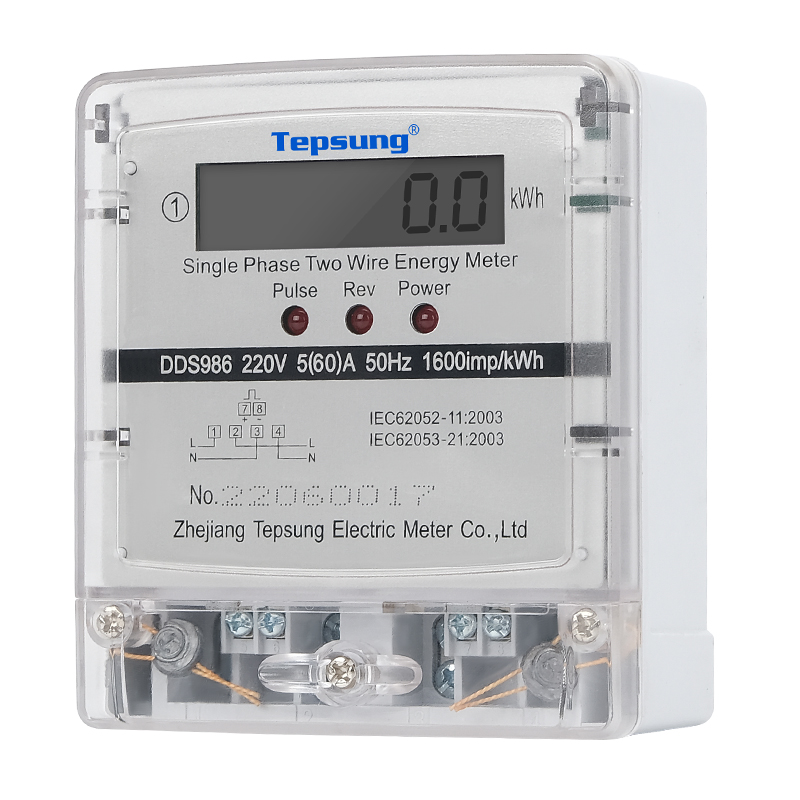
You must thoroughly understand the "Critical Care" and disconnection hurdles before deploying any hardware. Prepaid meters automatically cut power the moment funds deplete. This strict automated mechanism faces immense regulatory scrutiny globally. Many jurisdictions strictly regulate or entirely ban prepaid setups for highly vulnerable households. If a customer relies on life-support medical equipment, automated shutoffs pose immediate lethal risks. Utilities must maintain highly accurate "Critical Care" registries. They must ensure these specific households remain immune to sudden automated disconnections.
Market perception also matters deeply to your brand reputation. The ethical debate around a "poverty tax" frequently surrounds prepaid systems. Historically, prepaid rates have been notably higher in certain geographical regions. Critics argue this penalizes low-income demographics unfairly. Modern operators must ensure strict rate parity across both billing models. Charging identical base rates per kilowatt-hour avoids severe regulatory audits. It also heavily protects your company brand from public reputational damage.
Finally, consider the strict consumer notice mandates enforced by local governments. A standard Postpaid Electric Meter contract typically falls under broad consumer protection laws. These legal regulations demand strict compliance before a utility can ever sever service. You must provide formal grace periods. You must issue multiple written notices via mail. Legally executing a disconnection requires adhering to a rigid, often prolonged timeline. These mandates slow down revenue recovery significantly but protect consumers from abrupt financial hardships.
Deploying the right model requires precisely matching the hardware architecture to the target audience. Misalignment leads to severe financial losses and tenant dissatisfaction.
Prepaid meters excel perfectly in high-turnover environments. Short-term rentals represent an ideal use case. Landlords managing dormitories often struggle immensely with utility billing. HMOs (House in Multiple Occupation) present identical administrative challenges. Commercial sub-lets see frequent tenant changes quarterly. Assigning utility debt to transient populations is incredibly difficult and often impossible. Prepaid systems solve this gracefully. They force tenants to manage their own energy usage proactively.
Emerging markets and off-grid microgrids also strongly favor prepaid deployments. Traditional credit scoring is often entirely absent in these regions. However, mobile money ecosystems thrive there daily. Consumers use digital wallets to buy small electricity tokens. This entirely bypasses the need for formal banking infrastructure.
Conversely, postpaid meters suit entirely different demographics and enterprise needs. Industrial and commercial manufacturing facilities demand this continuous model. Heavy industries run highly sensitive, mission-critical equipment constantly. An unexpected power loss results in catastrophic production downtime and ruined materials. These enterprise clients require guaranteed, uninterrupted supply above all else. They comfortably possess the deep credit history to secure standard postpaid terms.
Stable residential communities also lean heavily postpaid. High-usage households prioritize continuous supply over strict budget controls. These established families possess strong credit ratings. They value the ultimate convenience of paying a single monthly bill without daily monitoring.
Let us summarize these scenarios clearly through a comparative chart.
Market Segment | Recommended Model | Primary Business Justification |
|---|---|---|
Dorms & Short-Term Rentals | Prepaid | High tenant turnover makes debt assignment nearly impossible. |
Off-Grid Microgrids | Prepaid | Absence of credit scoring; high mobile money adoption. |
Industrial Manufacturing | Postpaid | Zero tolerance for unexpected production downtime. |
Stable Residential Homes | Postpaid | Established credit history; strong preference for convenience. |
The energy industry is rapidly breaking the binary choice between these historical models. We are witnessing a massive operational shift toward unified hardware architectures. Operators now widely deploy a single type of smart Electric Meter equipped with versatile software modules. This powerful convergence allows utilities to switch billing modes dynamically. You no longer need to dispatch technicians to replace physical hardware when a tenant moves out. A simple over-the-air firmware command transitions the unit from postpaid to prepaid instantly.
This technological convergence unlocks highly advanced tariff structures. Historically, Time-of-Use (TOU) tariffs remained strictly limited to postpaid systems. Today, advanced operators apply these complex pricing models to prepaid users seamlessly. Demand-response programs now integrate directly into advance-payment ecosystems. When grid demand peaks during summer afternoons, prepaid balances drain faster. This immediate financial incentive encourages instant energy conservation across all user demographics simultaneously.
Credit building capabilities represent another monumental industry breakthrough. Previously, prepaid users missed out entirely on building formal credit histories. Now, forward-thinking utilities report consistent prepaid recharge behavior directly to major credit bureaus. This software innovation bridges a crucial societal gap. It maintains the everyday accessibility of prepaid electricity while delivering the long-term financial benefits typically reserved for postpaid customers.
Dynamic Toggling: Switch billing modes instantly via cloud platforms without hardware replacement.
Unified TOU Tariffs: Apply peak and off-peak pricing directly to prepaid wallet balances.
Equitable Credit Systems: Help unbanked populations build credit scores through routine energy top-ups.
Grid Resilience: Leverage demand-response alerts to reduce load dynamically during critical shortages.
Selecting the optimal metering model requires a highly strategic auditing process. Decision-makers must evaluate their local regulatory environment closely before purchasing hardware. You must identify whether your primary user demographic is credit-rich or heavily budget-conscious. Furthermore, assess your existing payment infrastructure capabilities thoroughly. A reliable mobile money ecosystem strongly supports prepaid models, while traditional centralized banking favors postpaid billing.
Consider these critical next steps for your operation:
Audit local consumer protection laws regarding automated service disconnections.
Match your chosen billing model directly to your average tenant turnover rates.
Ensure your backend digital infrastructure fully supports real-time API payments.
We strongly recommend a limited pilot deployment before committing to a massive market-wide rollout. Test modern hybrid smart meters in a specific subset of high-turnover properties first. Measure the actual financial return carefully. Compare these figures directly against the administrative savings generated by automated billing. This localized operational data will confidently guide your broader deployment strategy.
A: Yes, modern smart meters make this conversion seamless. You do not need to replace the physical hardware. Instead, utilities simply send secure over-the-air firmware updates. A smart meter software toggle instantly shifts the unit from a monthly billing cycle to an advance-payment mode. This remote capability drastically reduces deployment labor and costly truck rolls.
A: Historically, prepaid rates sometimes carried a premium. Today, most regulatory bodies mandate strict rate parity. Utilities generally charge the exact same base rate per kilowatt-hour across both models. However, postpaid users might lock in fixed-rate contracts long-term. Prepaid users often experience variable rates tied directly to current wholesale market fluctuations.
A: Modern systems utilize local data storage mechanisms to prevent sudden shutoffs. If the network drops, the meter continues tracking consumption internally. Most utilities program a secure offline grace period into the firmware. This ensures the hardware will never disconnect power simply because it temporarily lost communication with the central payment server.
A: Yes, eliminating security deposits is a standard market practice for prepaid setups. Because customers pay for electricity before consuming it, the utility faces zero bad debt risk. This structure removes the financial need for security deposits entirely. It makes prepaid energy plans highly accessible for budget-conscious consumers and transient renters.


